Reflections on My Journey at
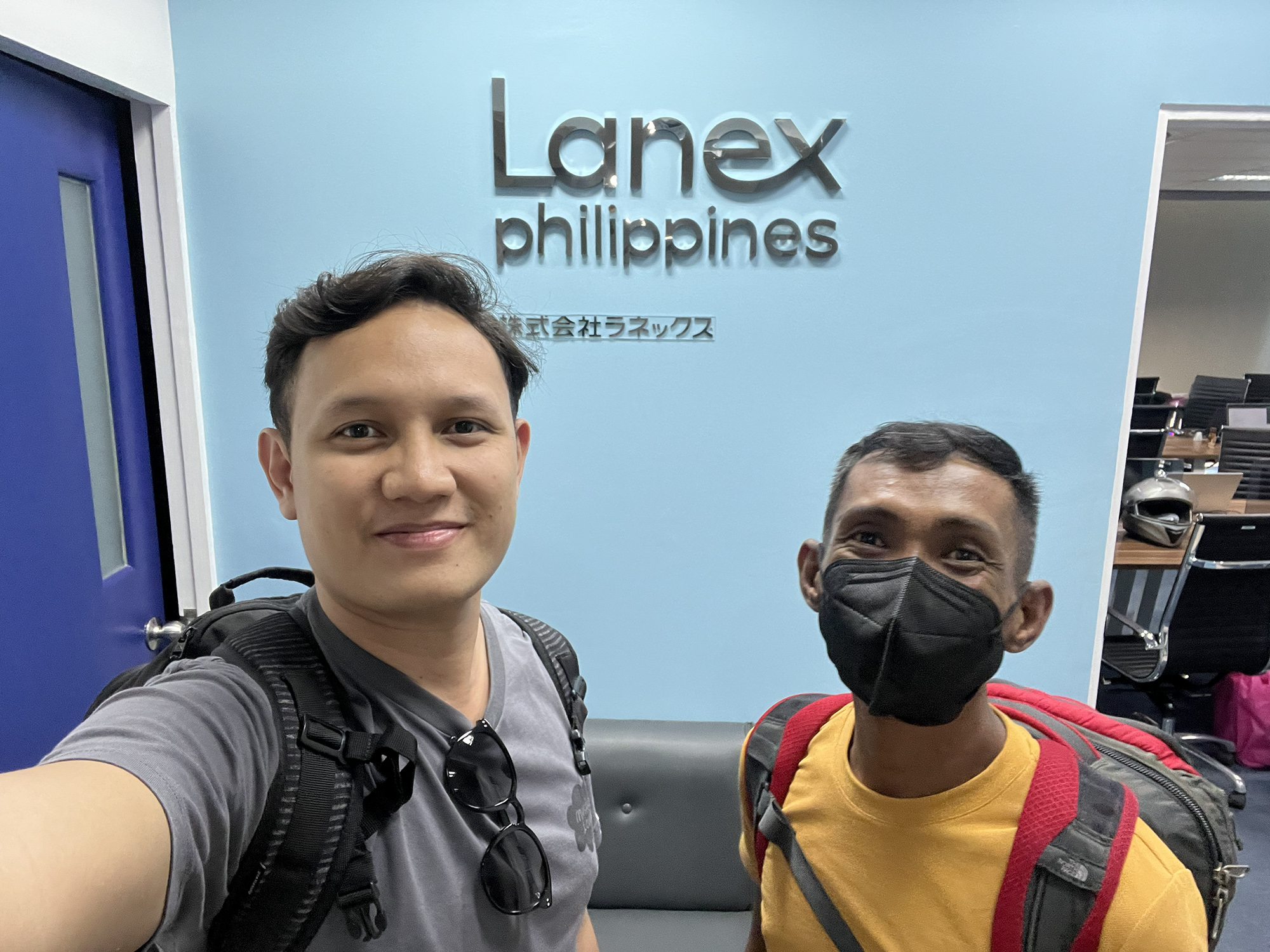
Lanex Corporation
How design, technology, project management, and business development shaped the way I work today.
When I joined Lanex Corporation in May 2021, I was returning to the technology industry after spending several years primarily in creative roles.
I came in as a Project Manager and UI/UX Designer, expecting to focus on design, user experience, and project delivery. What I did not expect was how much my role—and my perspective—would evolve over the next three and a half years.
By the time I left Lanex, I had worked across UI/UX, project management, business development, client relationships, proposals, project estimation, contracts, procurement, branding, design operations, and team leadership.
Looking back, Lanex became one of the most important chapters in my career. It was where I learned how to connect technology, design, people, and business.
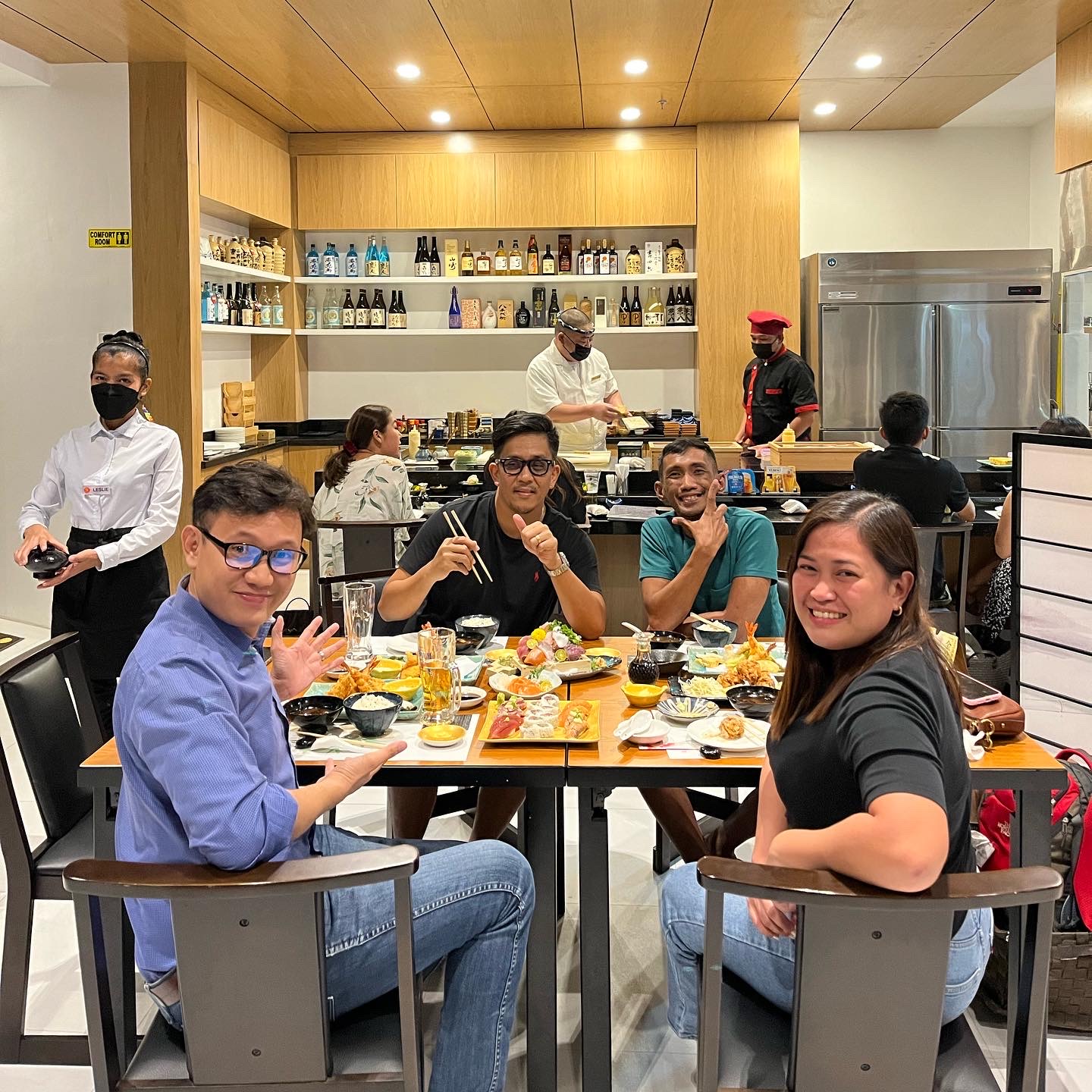
Returning to the Tech Industry
Rejoining the technology industry meant learning again.
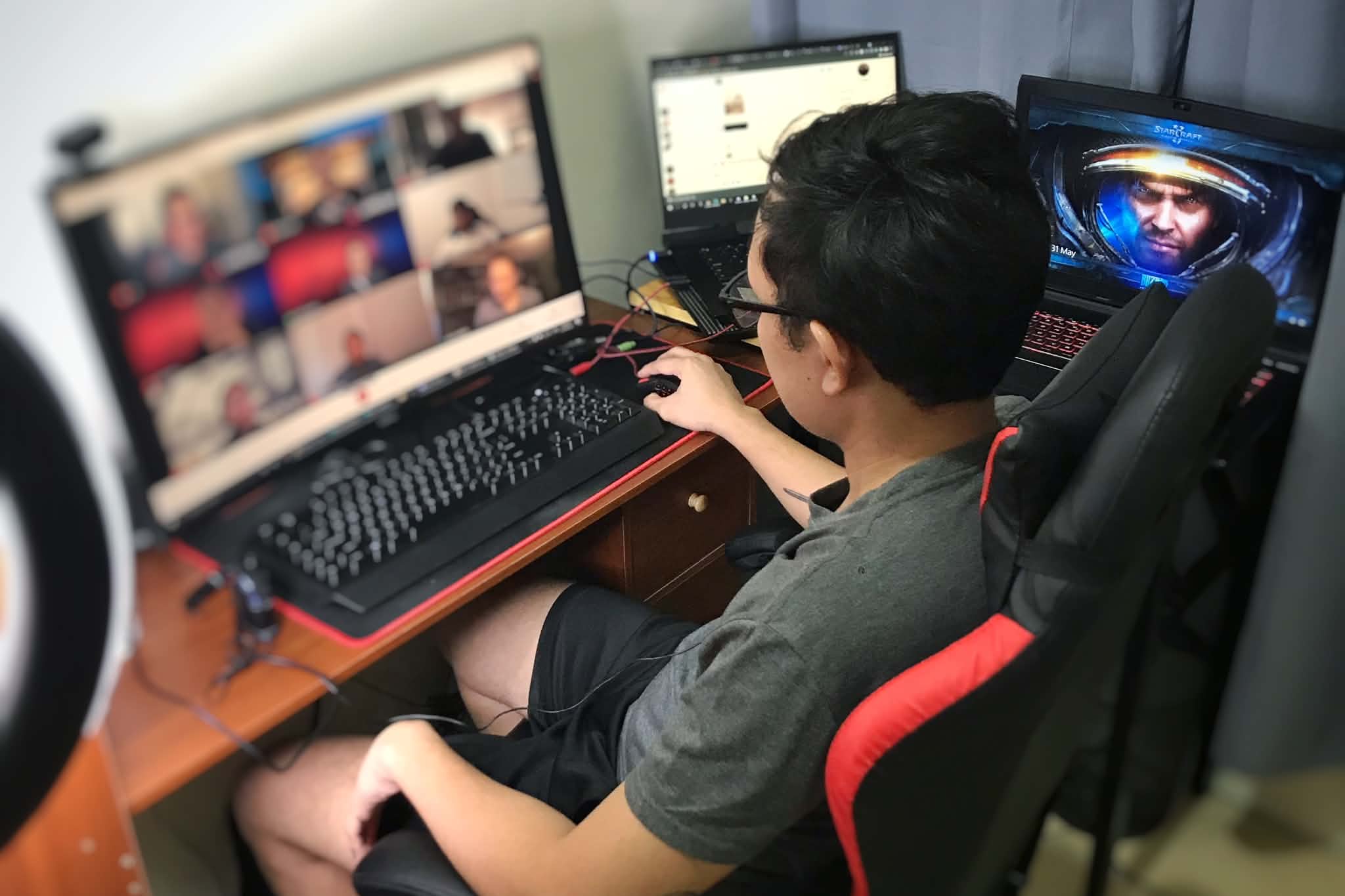
I had to adapt to new tools, development processes, and ways of working while also adjusting to remote work during the pandemic. At the same time, my wife and I were preparing to welcome our first child, so having the flexibility to work remotely was something I deeply appreciated.
One of the first major projects I joined was a Real-Time Edge AI Radar Detection System for a US-based technology client.
As part of the UI/UX and project team, I worked alongside technical specialists on a system designed to distinguish real radar signals from noise and interference, including interference from 5G signals, in real time. The system used an AI model deployed on an edge device so detection could happen without relying on a large external server.
It was an early lesson in designing for highly technical products.
The challenge was not simply to make an interface look good. We had to think about how complex technical information could be presented in a way that was understandable and useful to the people operating the system.
That experience reinforced something I still believe today:
Good design is not decoration. It is problem-solving.
Moving Into Business Development
In February 2022, I transitioned into the role of Business Development Manager.
This became one of the biggest shifts in my career.
My responsibilities expanded into client coordination, requirements gathering, project estimation, proposals, contracts, procurement processes, negotiations, account management, and identifying new business opportunities.
I was no longer looking at projects mainly from the perspective of design or delivery.
I had to understand the business behind them.
What problem was the client actually trying to solve?
What could our team realistically deliver?
How much time and resources would it require?
What engagement model made sense?
And how could we explain technical capabilities in a way that business decision-makers could understand?
Lanex offered both full-cycle software development and staff augmentation, which meant every opportunity required a different approach depending on the client’s needs.
One of the most important lessons I learned was simple:
Clients are rarely buying technology for the sake of technology. They are buying an outcome.
A client may initially ask for a dashboard, a management system, or an application. But underneath that request, the real objective might be to reduce manual work, improve visibility, organize information better, increase efficiency, or help people make better decisions.
Understanding that changed the way I approached not only business development, but also design and project management.
Helping Lanex Grow Locally
One of the milestones I am most proud of was helping strengthen Lanex’s presence in the Philippine market.
Lanex already had decades of experience and a client base spanning Japan, Australia, the United States, the Philippines, and other markets. The company profile reflects more than 300 client companies and over 1,200 projects delivered across its history.
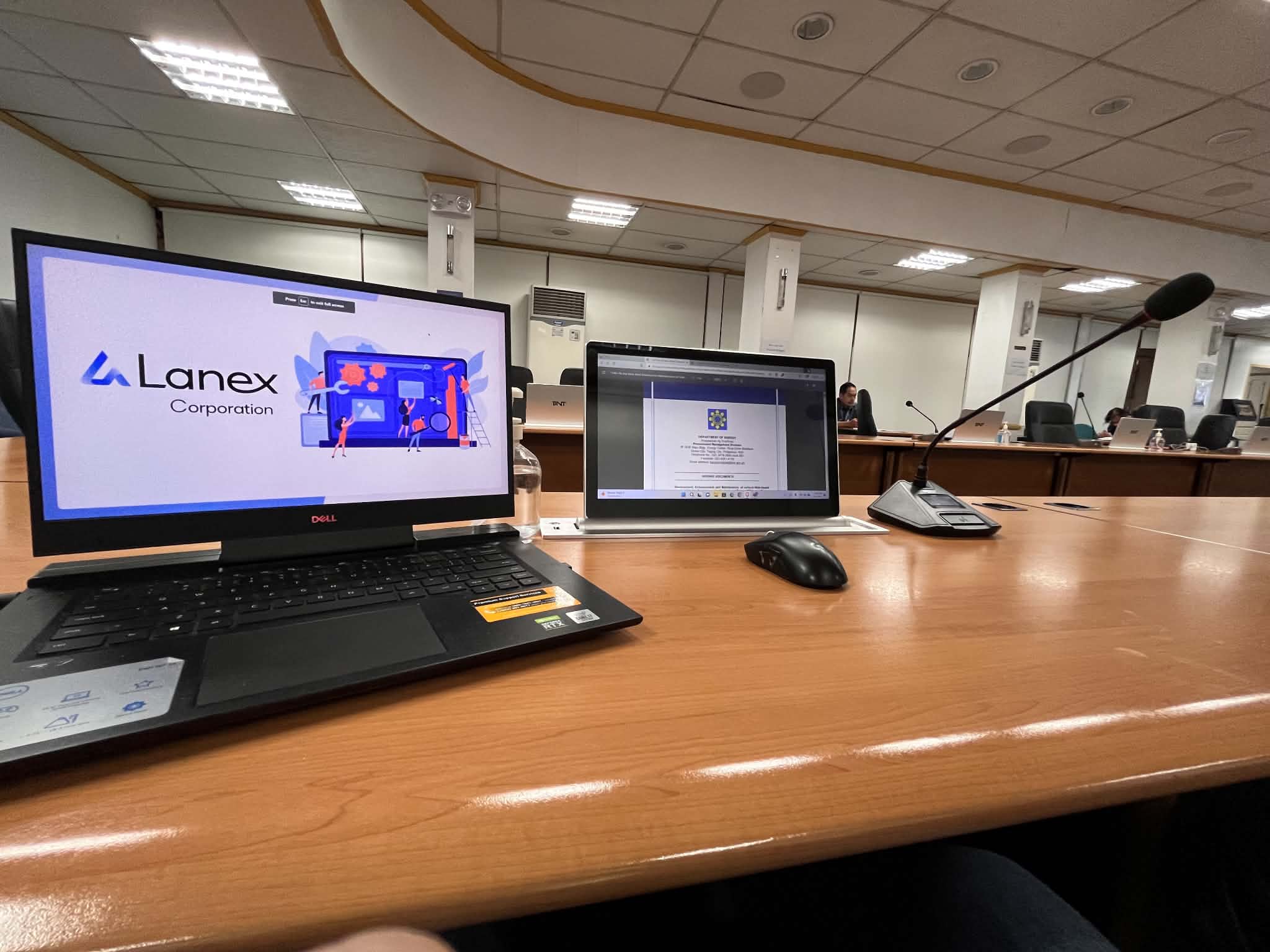
Our business development work exposed me to opportunities across government, development organizations, energy, health, and commercial industries.
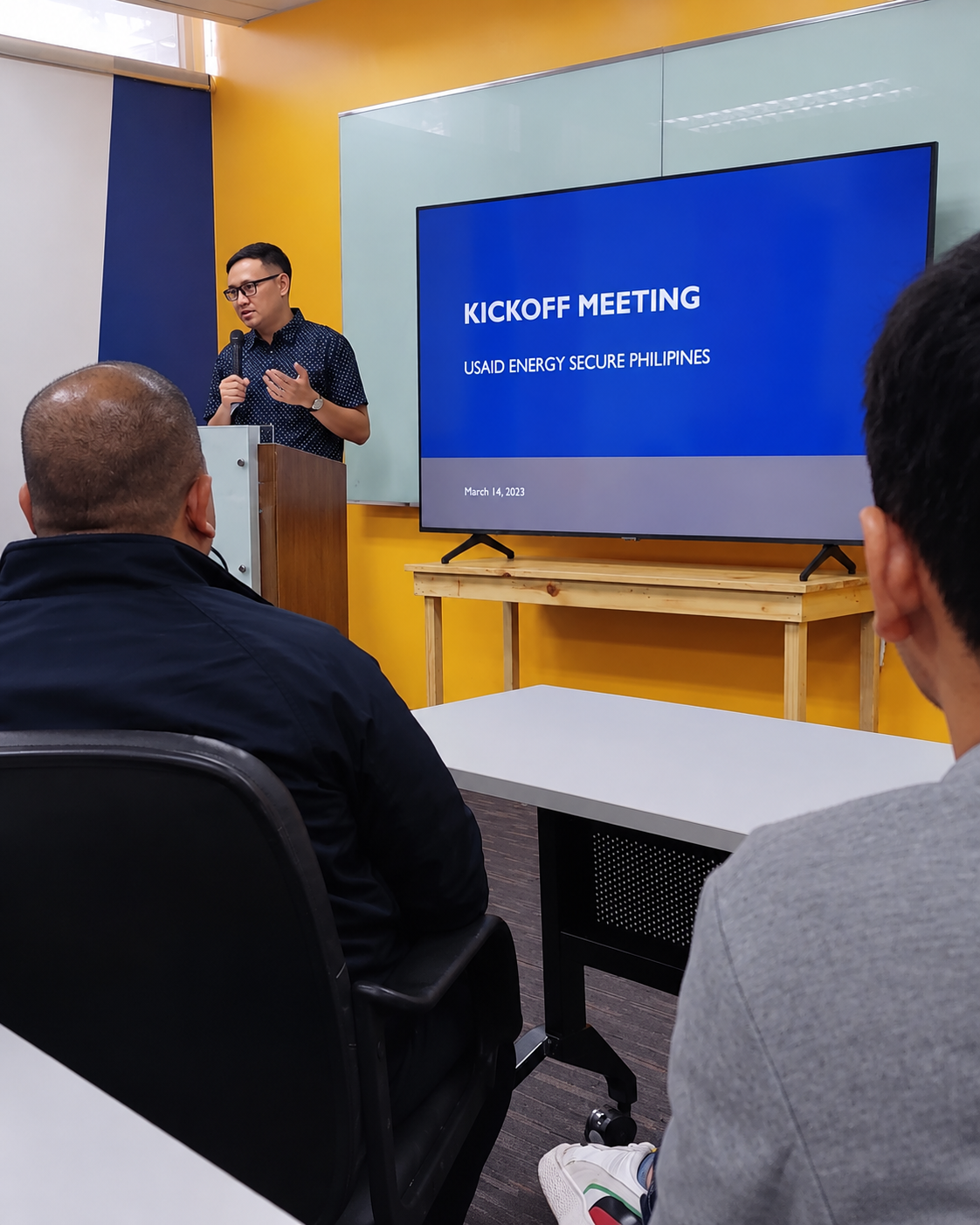
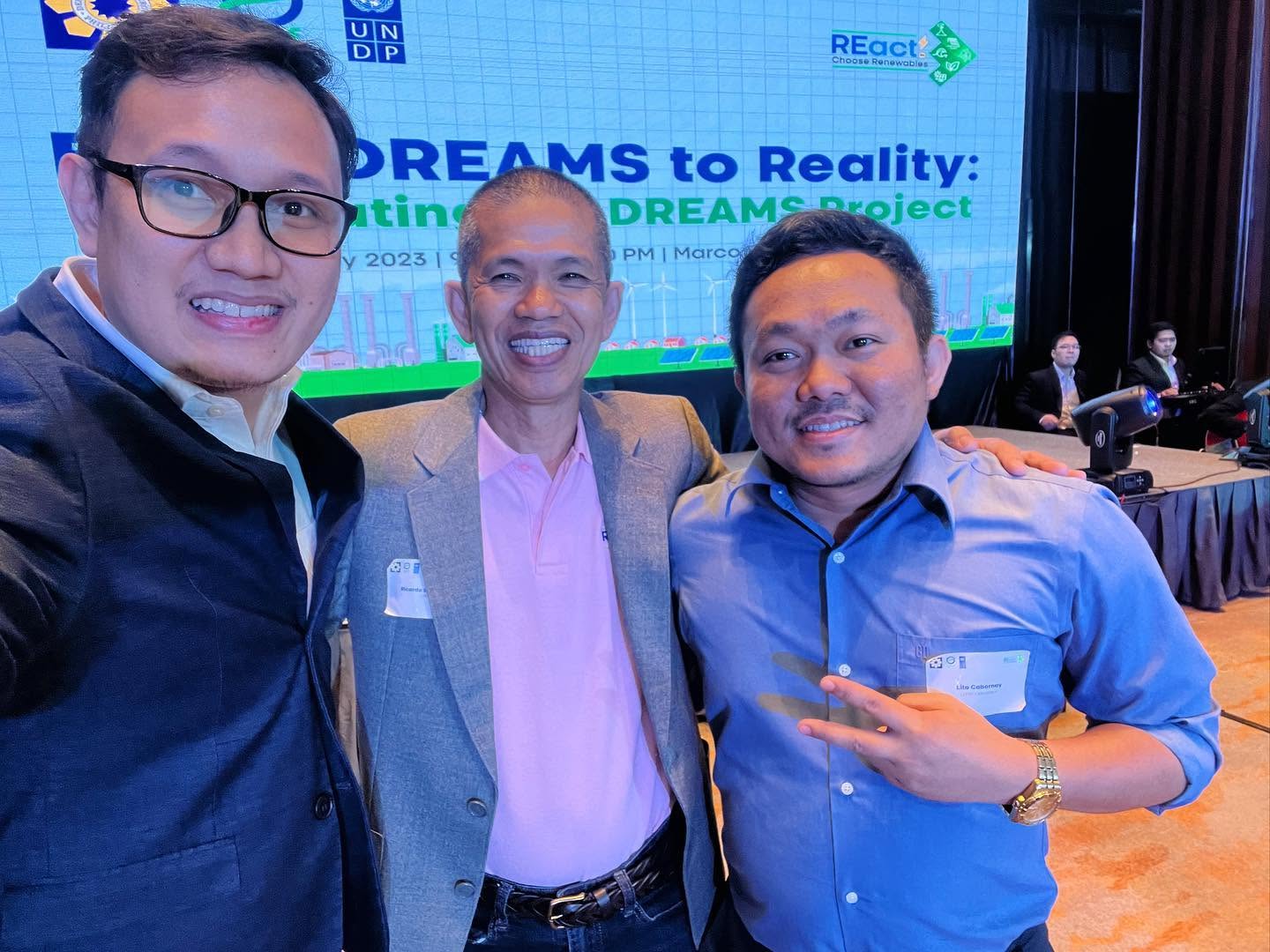
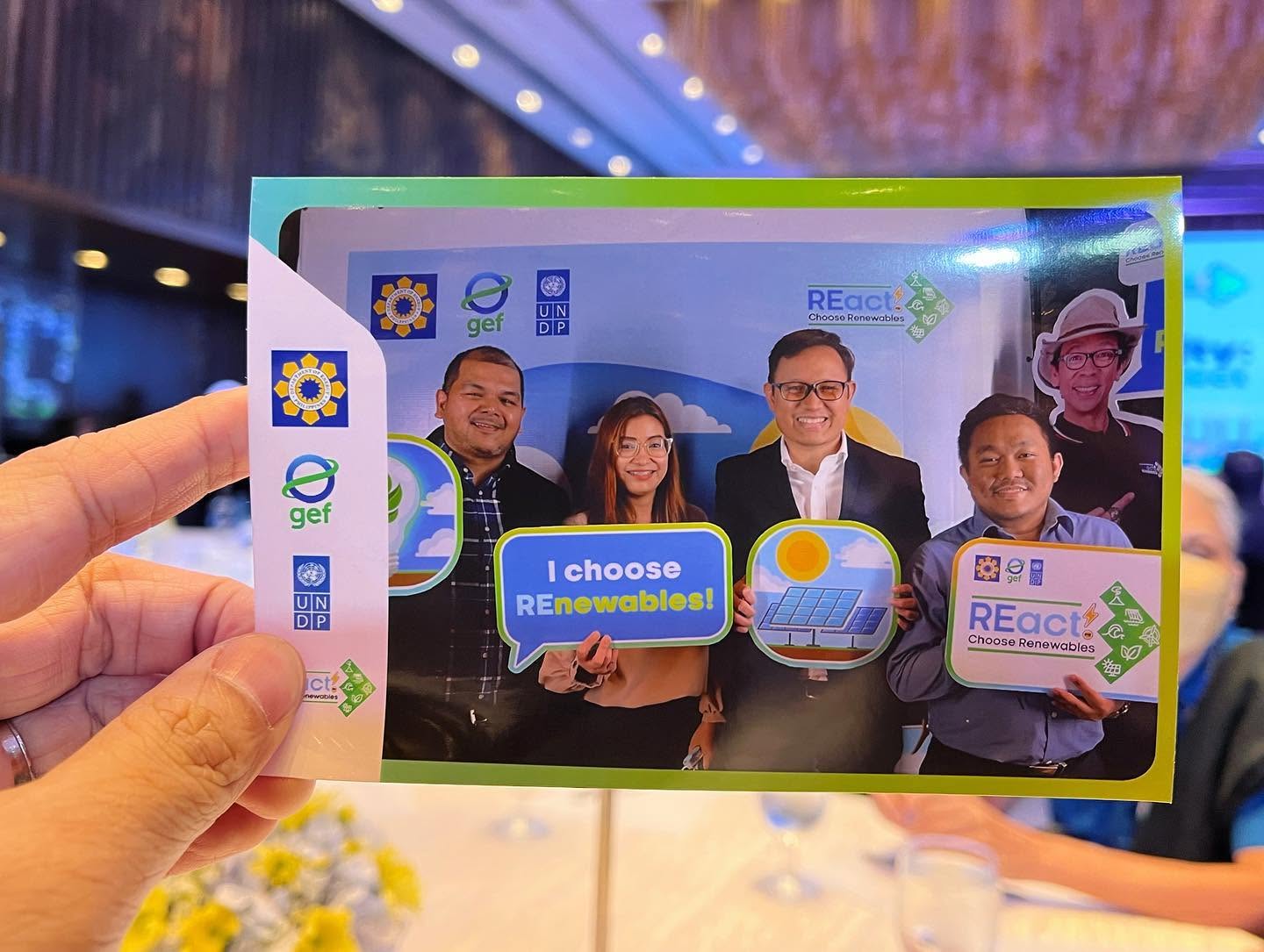
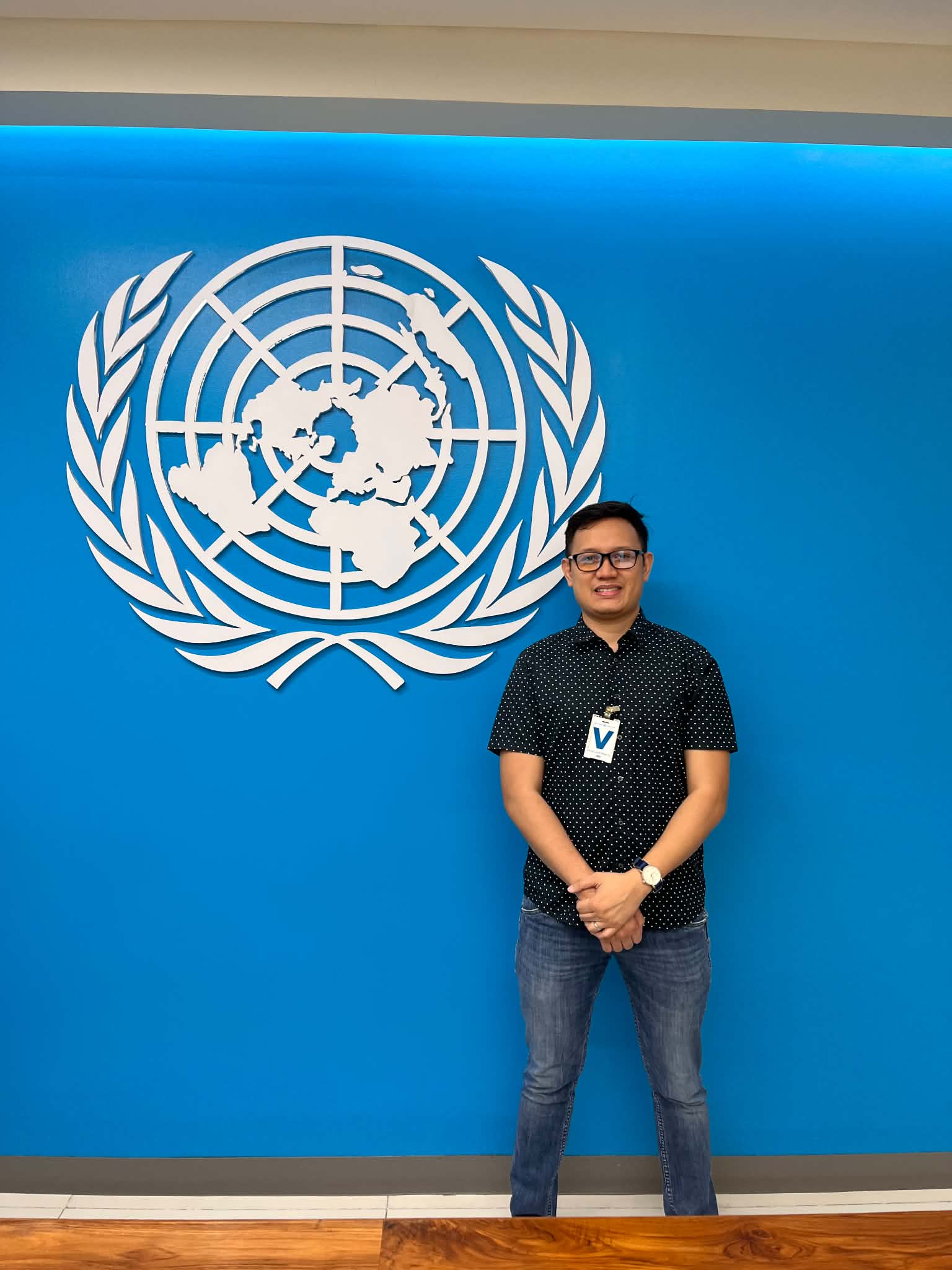
Among these were Department of Energy-related projects, including a UNDP-supported renewable energy initiative that established a data warehouse and information system for the Renewable Energy Management Bureau.
We also worked on Department of Health-related digital health initiatives, including systems supporting health logistics, procurement, and supply-chain management for local health systems.
Other opportunities included enterprise systems for energy-sector projects as well as commercial accounts such as Motolite and Ramcar.
These experiences gave me a much better understanding of how organizations evaluate technology partners, how procurement processes differ across industries, and how important it is to align technical capabilities with actual business requirements.
It also taught me patience.
Business development rarely follows a straight line.
Some opportunities move quickly. Others take months of conversations, revisions, presentations, and negotiations. Some never materialize at all.
Over time, I learned not to measure progress only by closed deals, but also by the relationships, credibility, and opportunities built along the way.

Building Relationships Beyond Sales
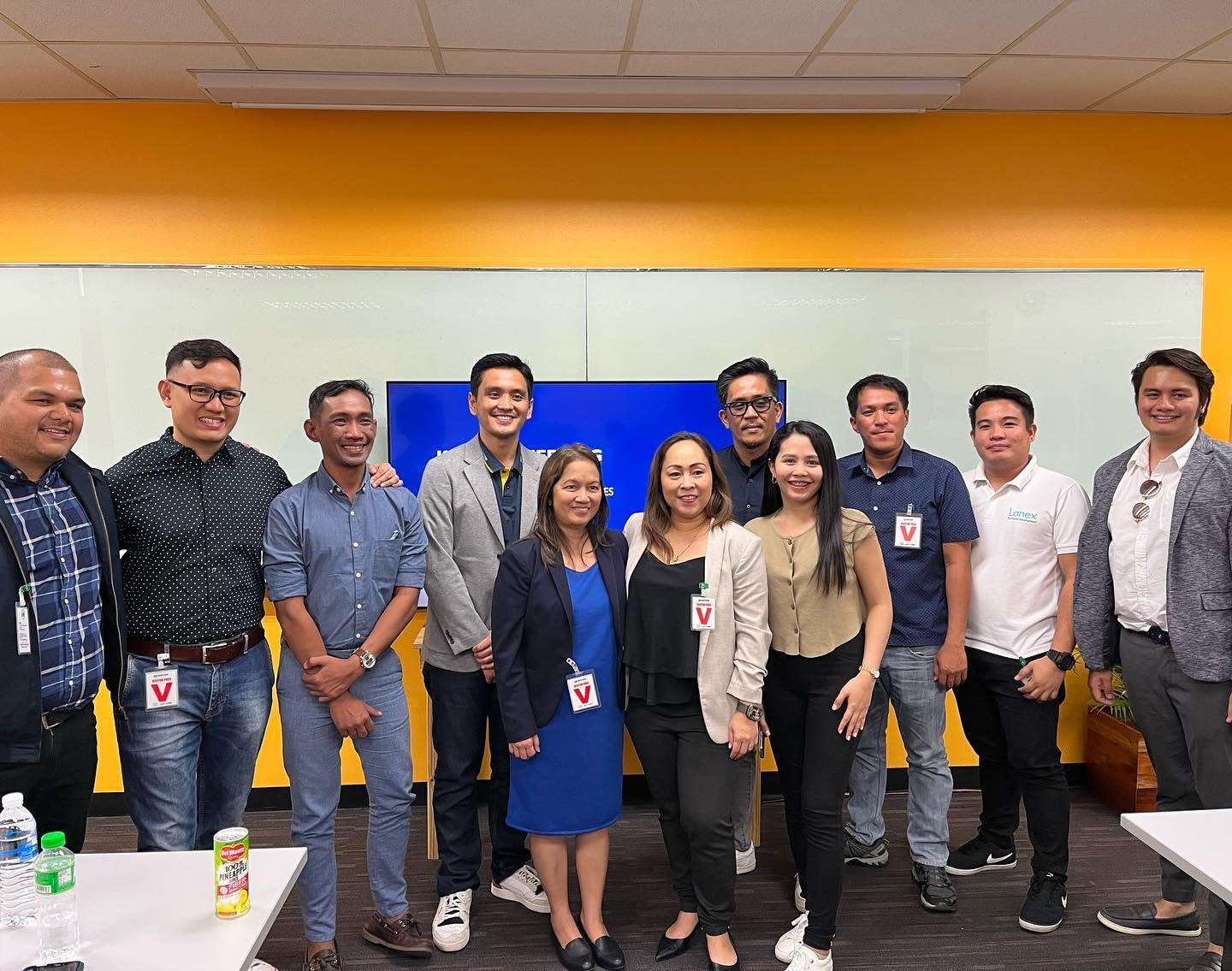
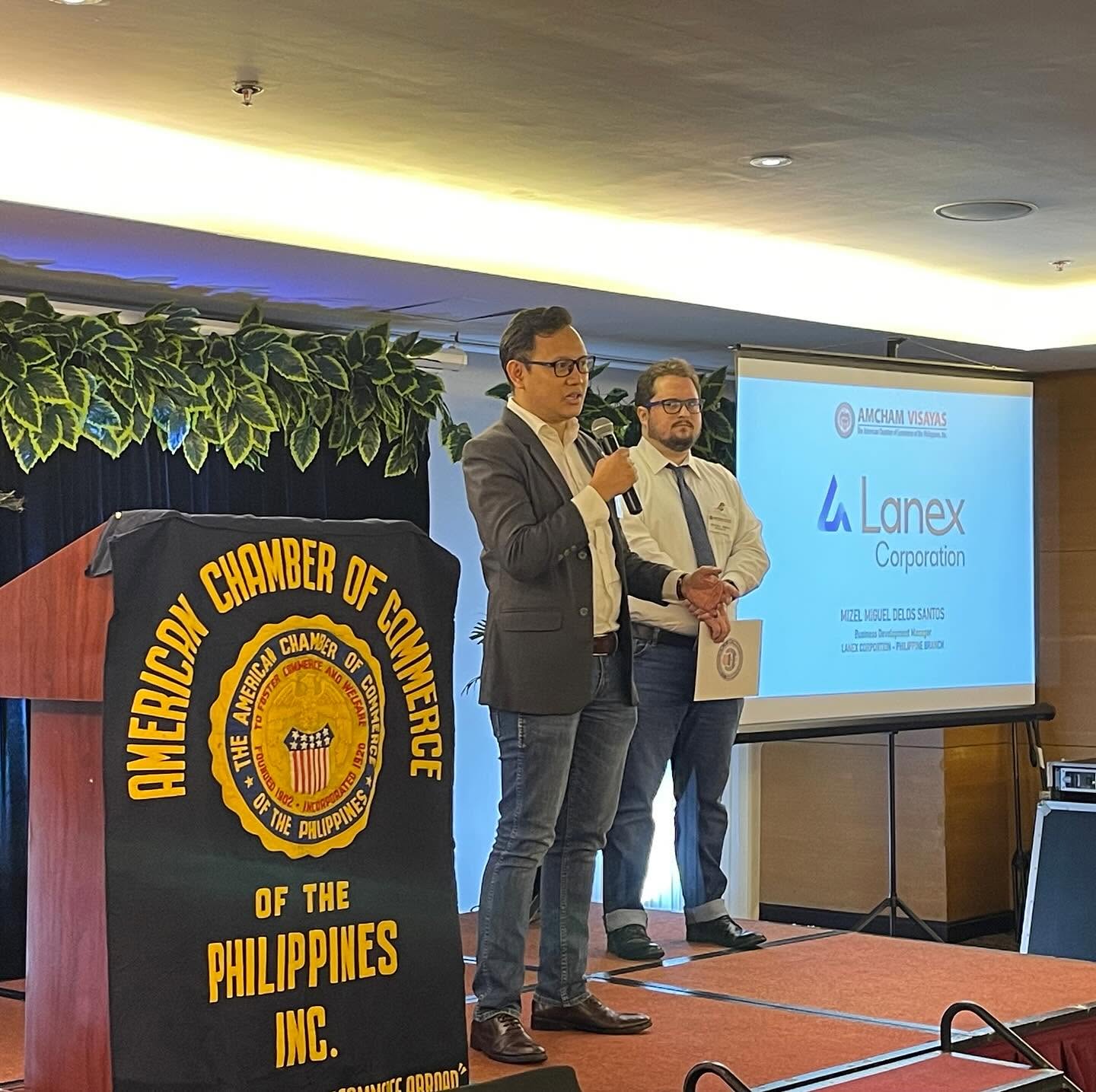
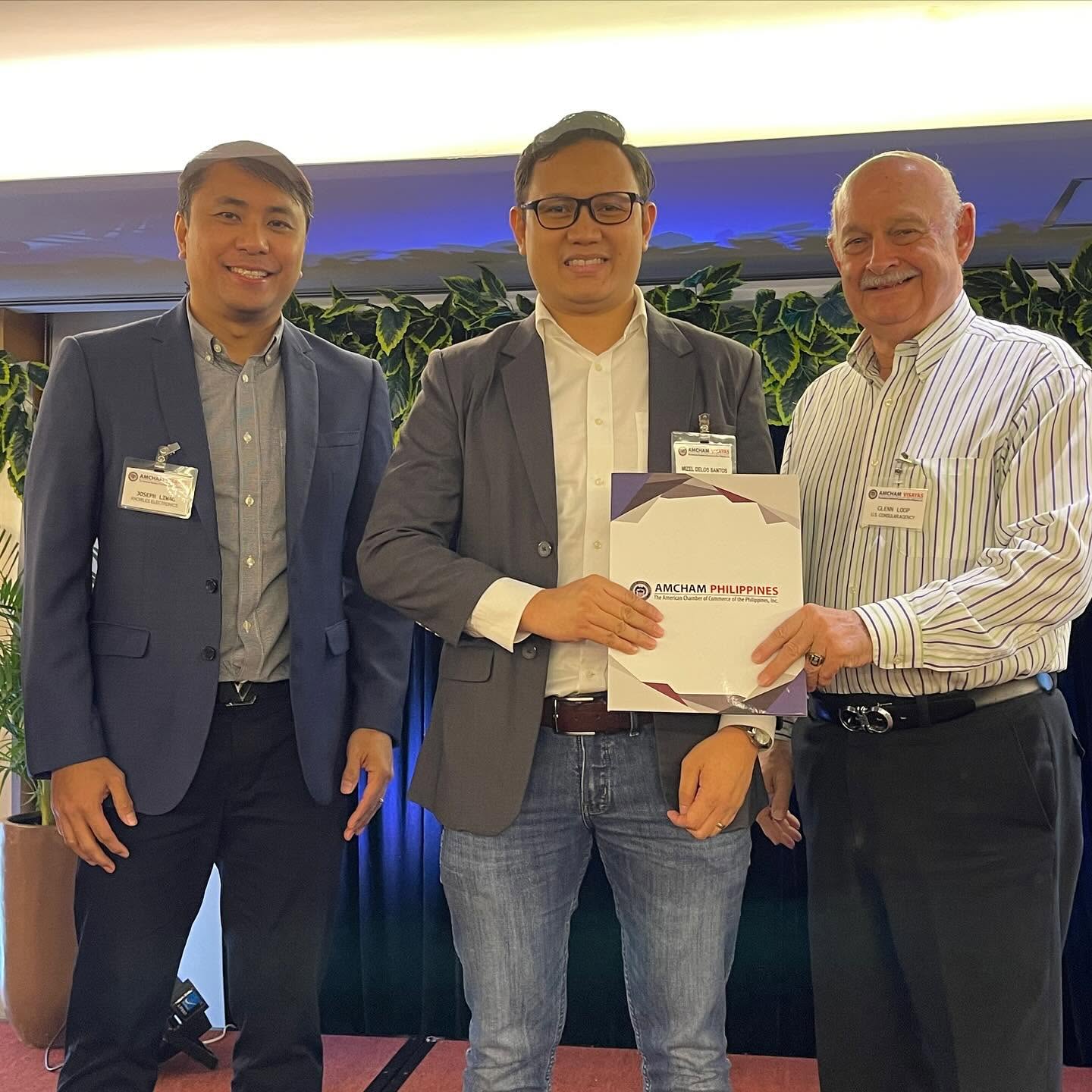
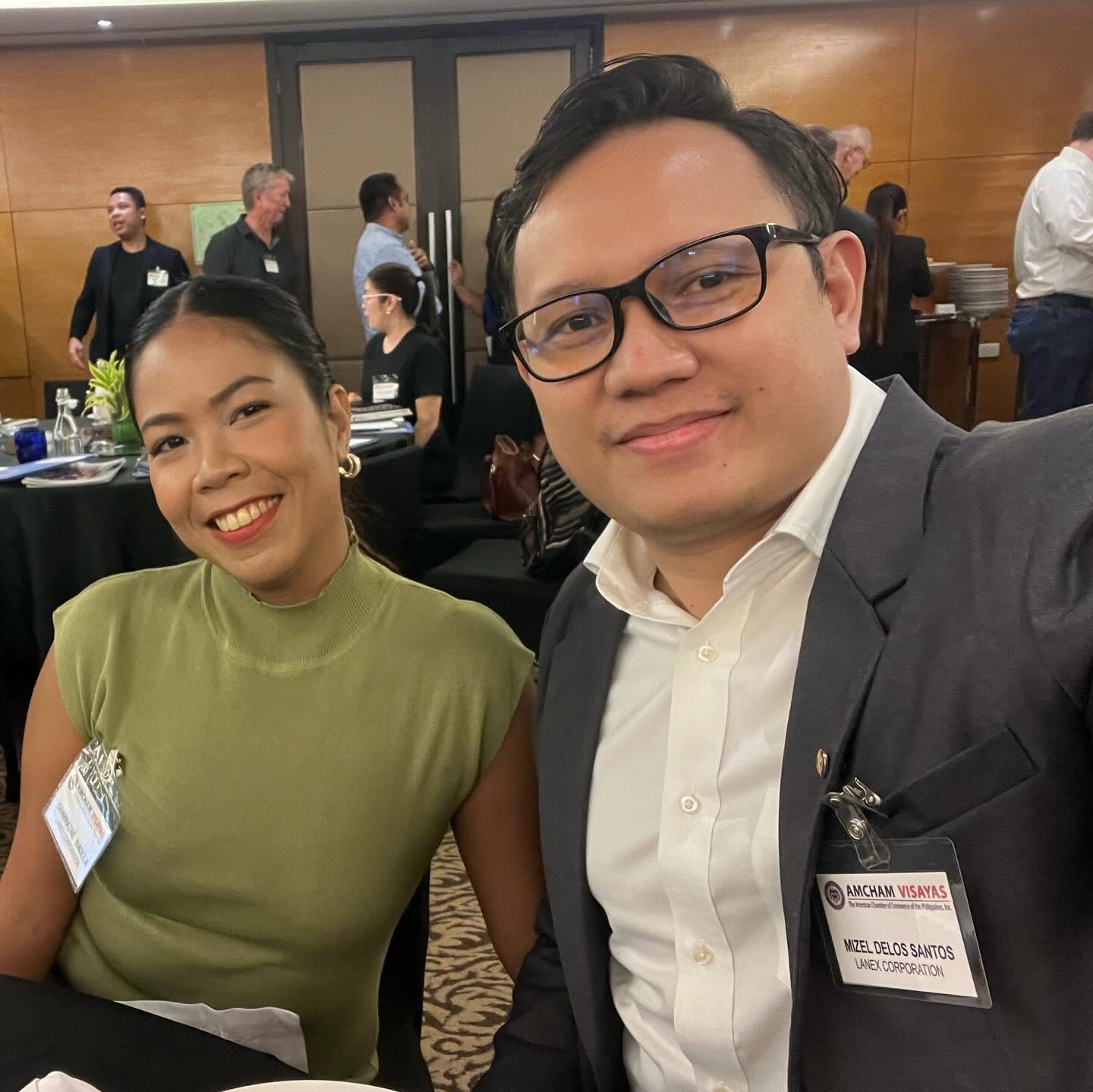
My role also gave me opportunities to represent Lanex through organizations such as the American Chamber of Commerce of the Philippines and JCI Manila.
These experiences helped broaden my understanding of business development.
Not every conversation needs to begin with a sales pitch.
Sometimes the best opportunities start by simply being present, listening to what other businesses are working on, understanding their challenges, and building genuine relationships.
Those experiences helped shape the way I approach networking and partnerships today.

Wearing Two Hats
In 2024, my role expanded again when I took on responsibility for the design team while continuing my work in business development.
It was an unusual combination, but it brought many parts of my professional background together.
I had to manage workloads, priorities, timelines, design quality, and creative resources while continuing to support clients and business opportunities.
One of the projects I am particularly proud of was helping lead the rebranding of Lanex Corporation.
The work included refreshing the company’s identity, redesigning the company logo, and updating the websites of Lanex Corporation and Lanex Australia.
We also worked on major improvements to Lanex’s internal Profiling System.
These projects brought together several areas of my experience—design, technology, project management, stakeholder alignment, and business strategy.
Managing the design team also taught me another important lesson about leadership.
Creative people need structure, but they also need room to explore.
They need standards, but they also need ownership.
And feedback should improve the work without taking away someone’s confidence in their own abilities.
Those lessons continue to influence the way I lead teams today.
What Lanex Taught Me
When I joined Lanex, I thought I was returning to technology as a Project Manager and UI/UX Designer.
I left with a much broader understanding of how technology businesses operate.
I learned how to work with users and technical teams, understand commercial requirements, manage opportunities, estimate projects, communicate with clients, lead creatives, and connect business needs with technology solutions.
More importantly, Lanex helped me realize that the different parts of my career were not separate paths.
They complemented one another.
Design teaches you empathy.
Project management teaches you structure.
Technology teaches you how systems work.
Business development teaches you why those systems need to exist.
Leadership teaches you that none of these things happen without people.
Lanex was where I learned to operate across a much broader part of the technology life cycle—from understanding users and shaping solutions, to working with technical teams, managing clients, developing opportunities, and eventually leading creatives.
Moving Forward
I remain grateful to Wayne and Ruthchelle Wing for trusting me with opportunities that extended far beyond the role I originally joined for.
I am especially thankful to Rosary Delizo for the mentorship and guidance that helped shape my journey at Lanex.
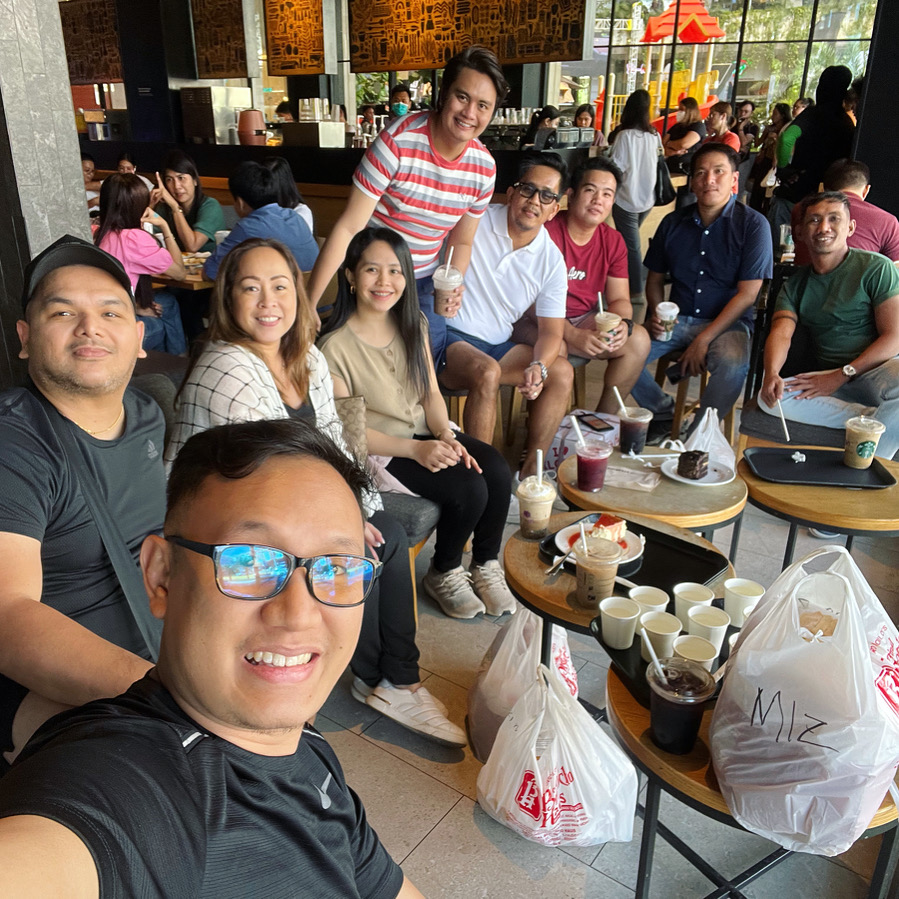
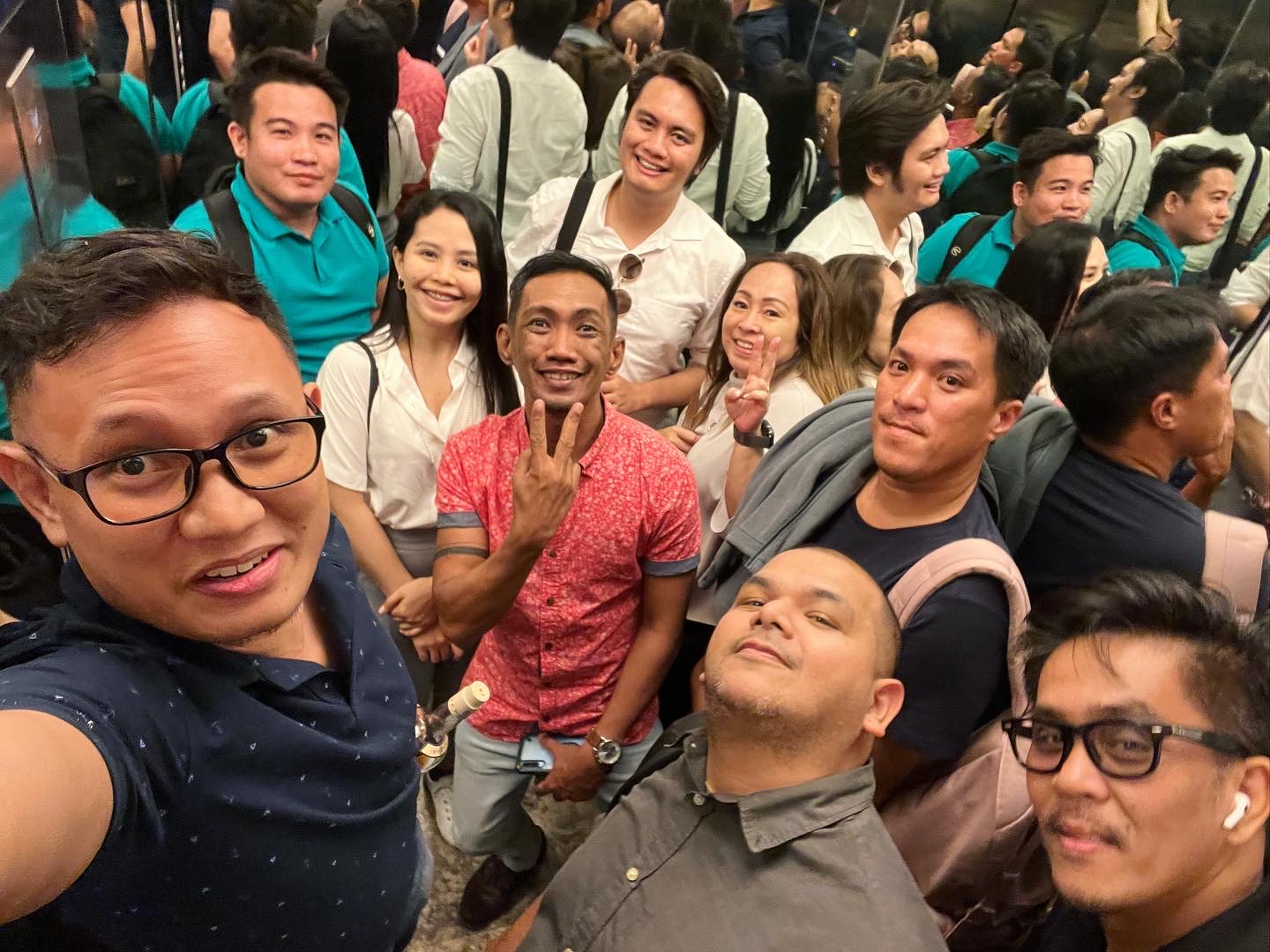
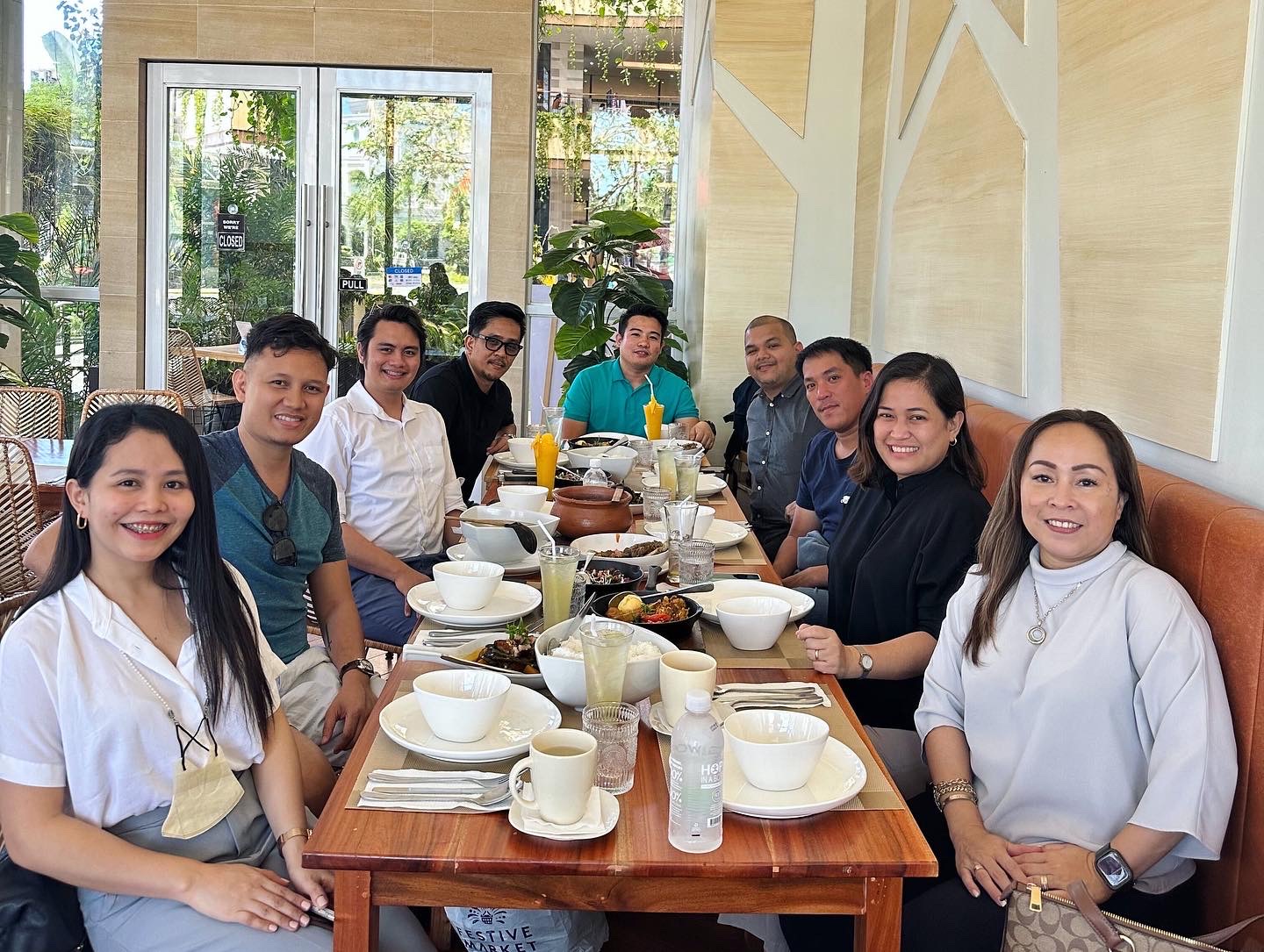
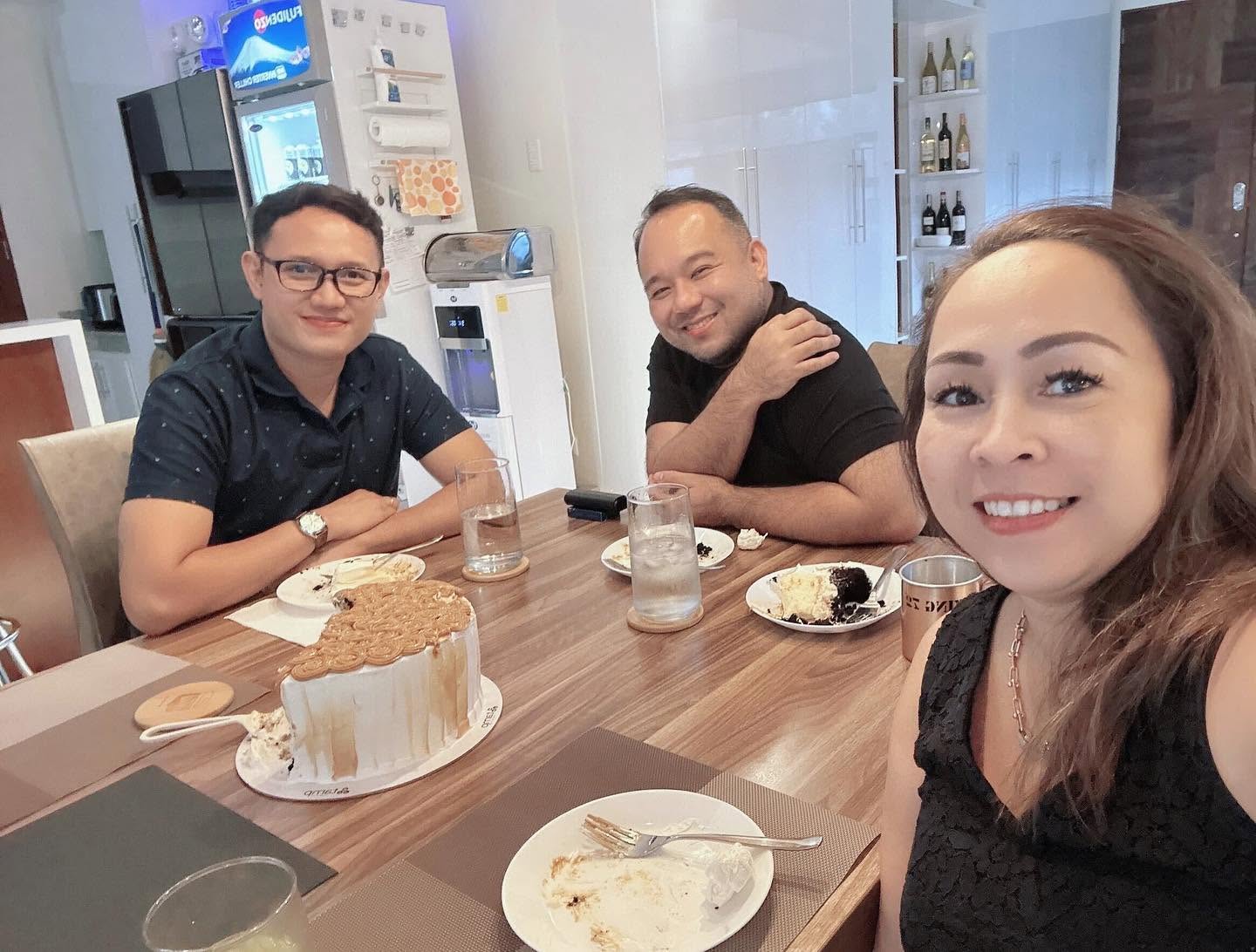
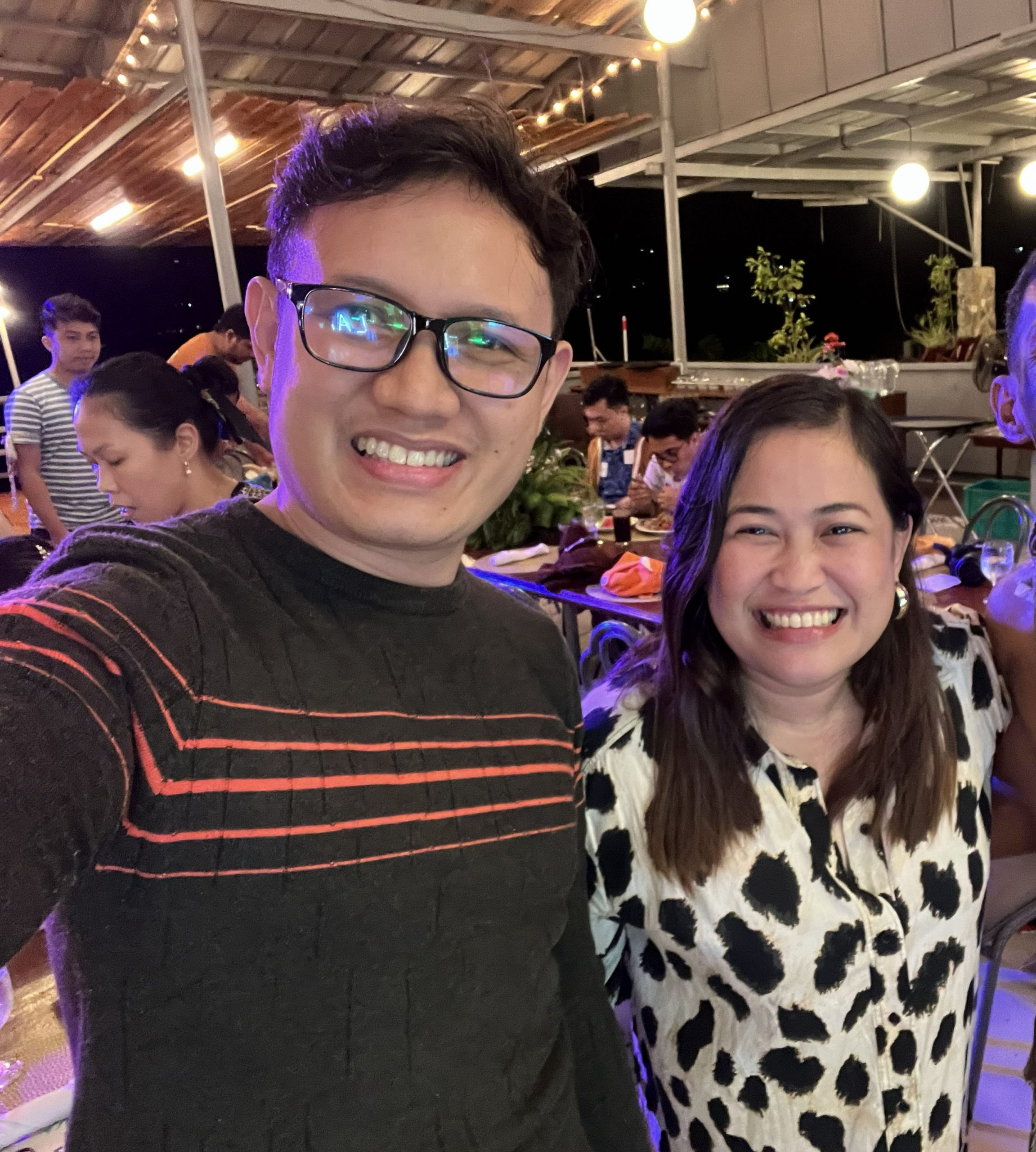
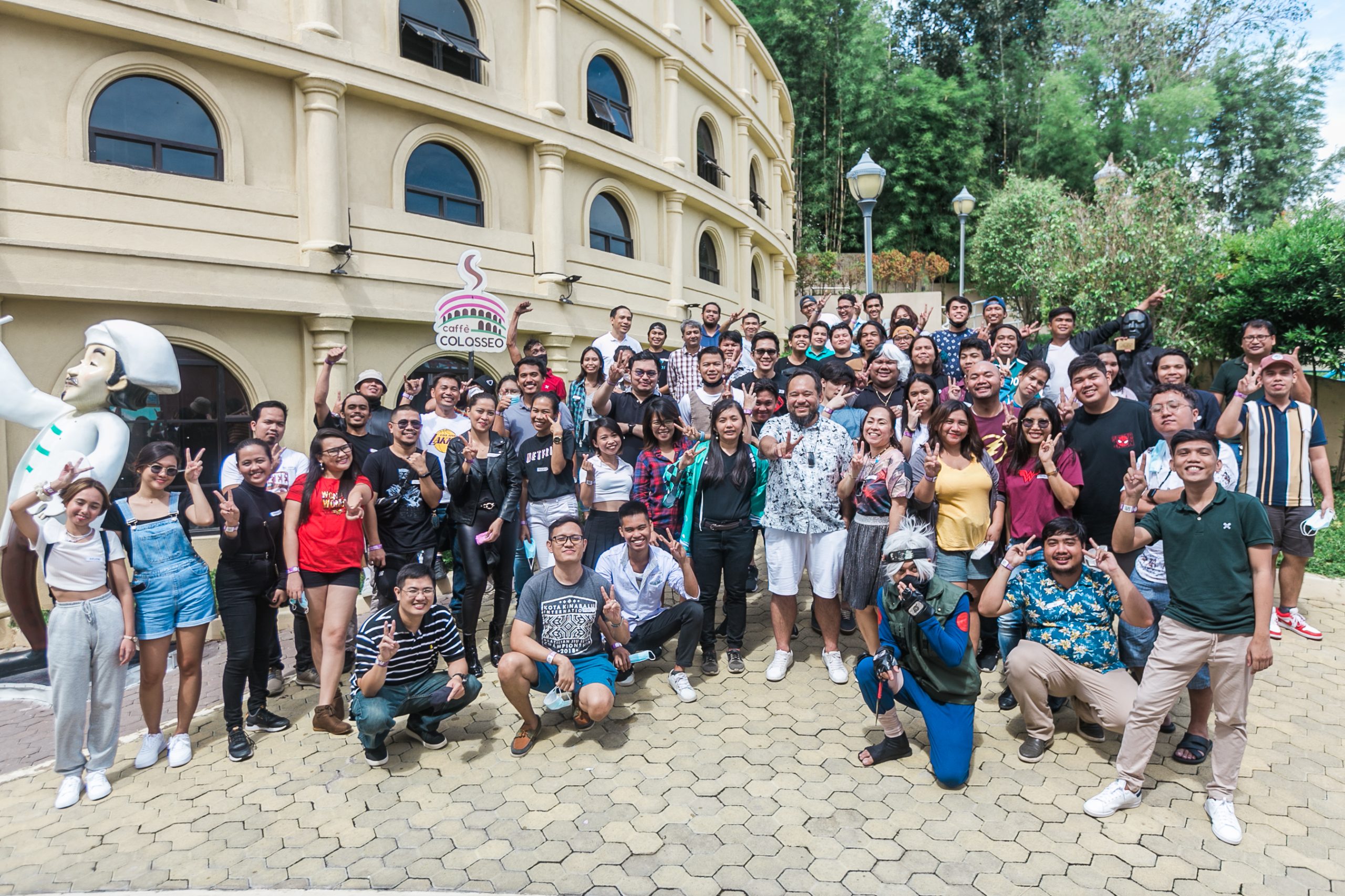
And to everyone I worked with across business development, design, development, project management, administration, and operations—thank you.
Some of the most valuable things I carried with me were not projects or job titles, but the lessons, conversations, mistakes, relationships, and shared experiences built along the way.
I entered Lanex as a Project Manager and UI/UX Designer.
I eventually became a Business Development Manager and design team leader.
But the biggest change was not the title.
It was learning how to connect ideas with users, technology with business needs, and people with opportunities.
For that, I will always be grateful for my journey at Lanex Corporation.
Work
Headshots