A Small System for Shared Movement
DigiRide
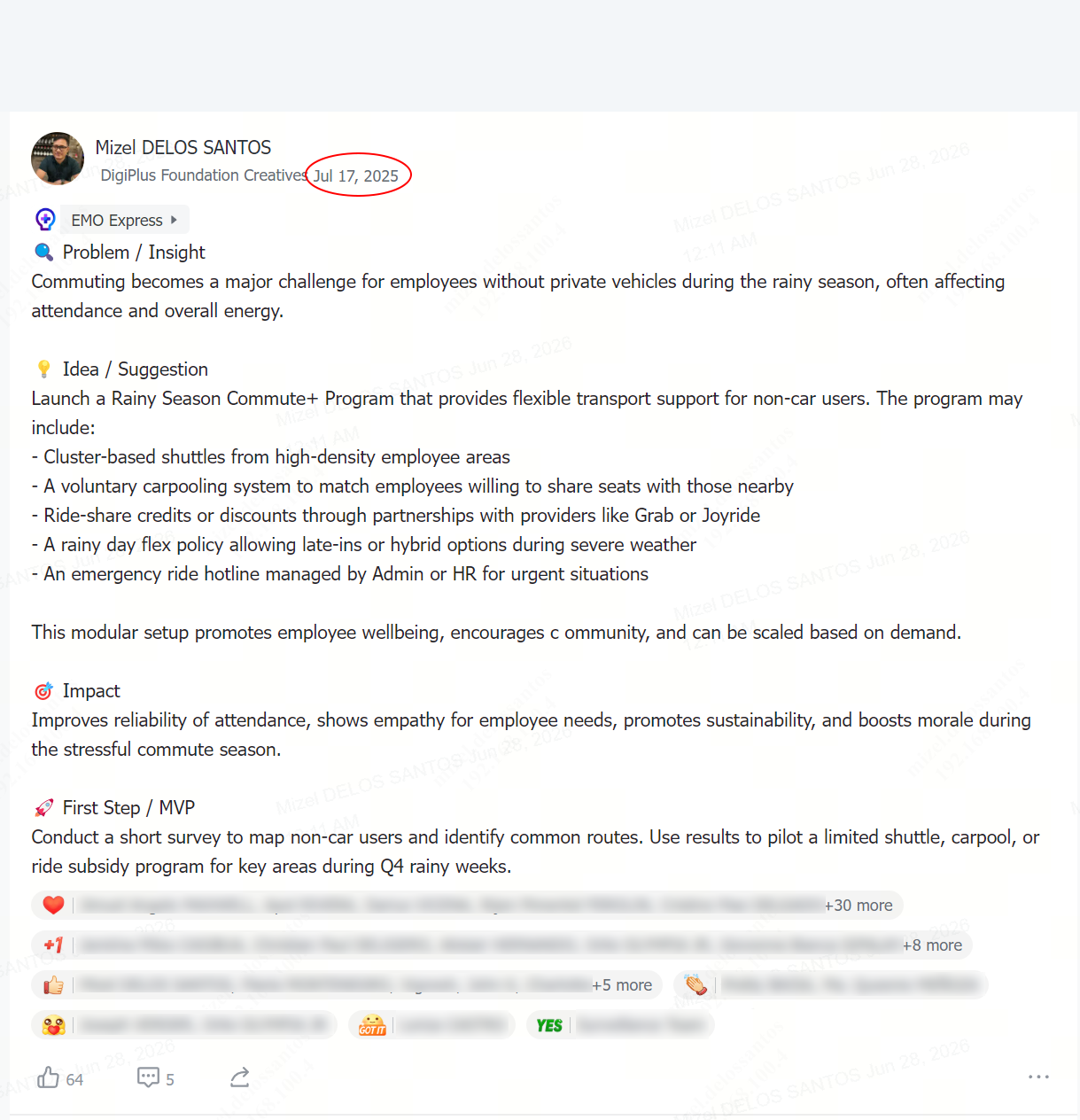
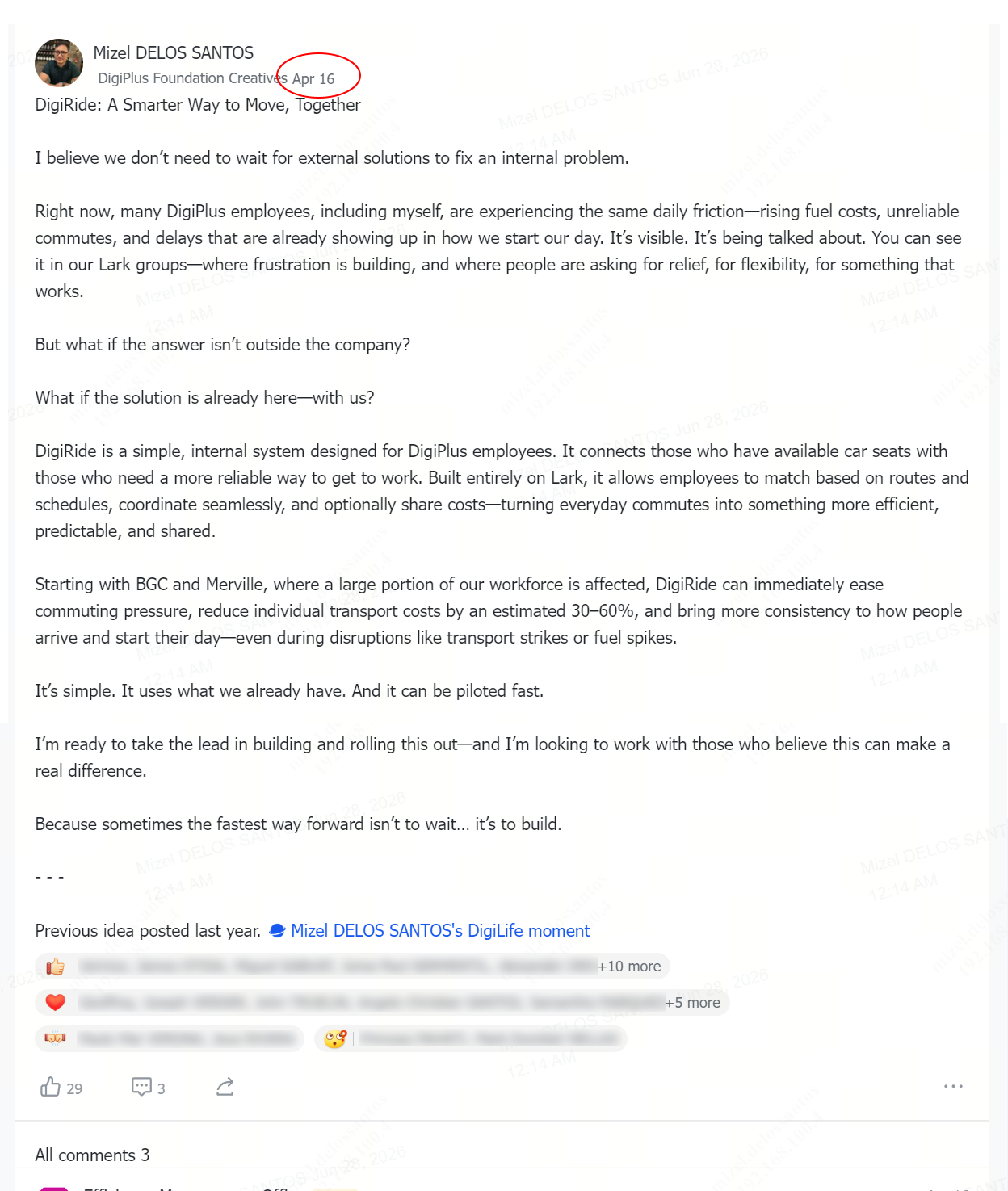
DigiRide started from a simple idea I had while looking at one everyday challenge many employees face: getting to work more conveniently.
The thought was straightforward: what if employees who travel similar routes could help each other through a company-wide carpool system? It did not have to be a complicated platform or a heavily built process. It just needed to be practical, easy to understand, and useful enough for people to try.
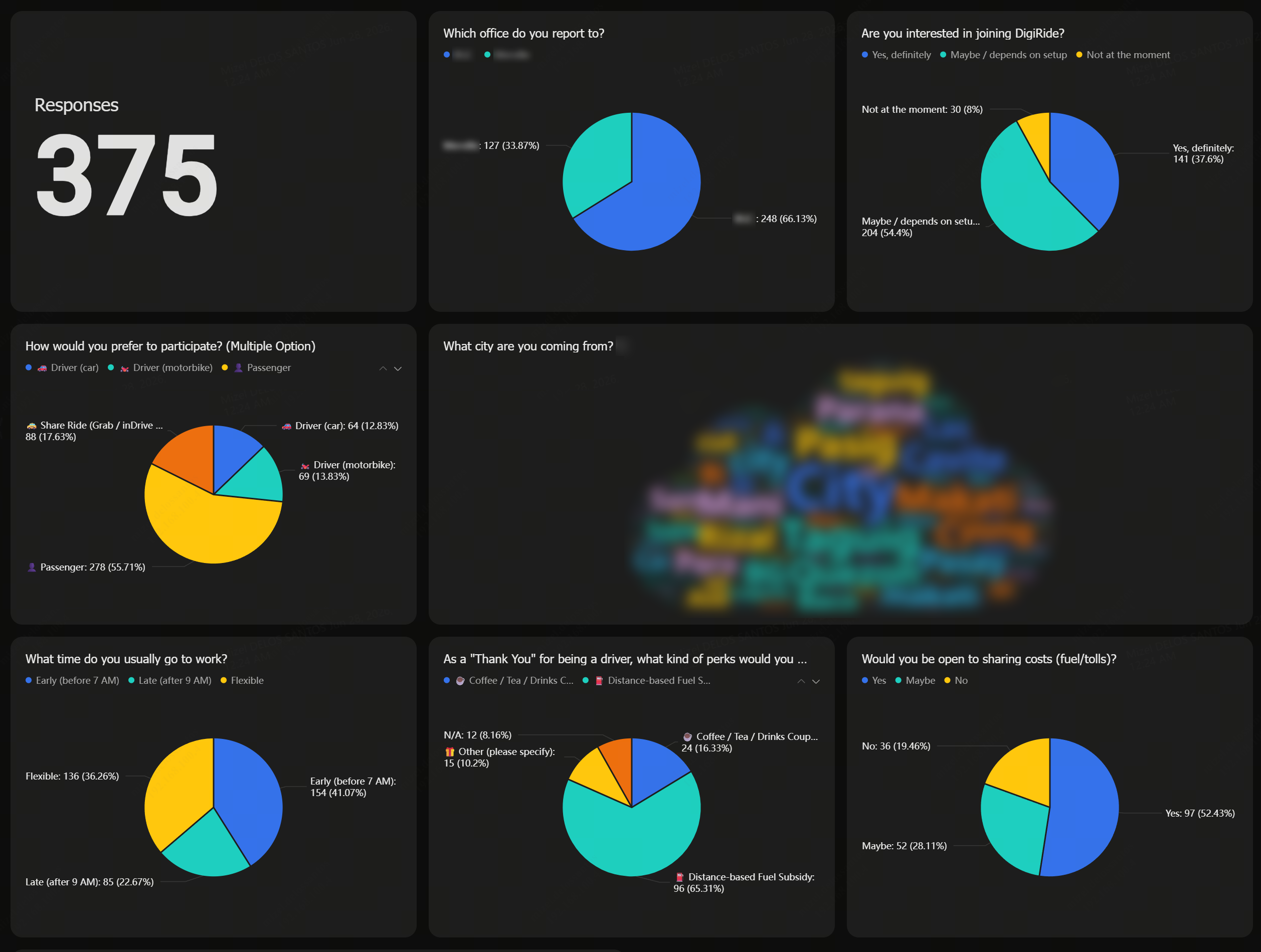
What made the idea stronger was the speed of validation. Before pushing it as a full initiative, I wanted to know if the problem was real enough and if employees were open to the solution. In just one to two days, we gathered 375 responses from employees, covering where they report, where they come from, how they prefer to participate, and whether they were open to sharing costs. The responses helped transform the idea from a personal observation into a validated workplace opportunity.
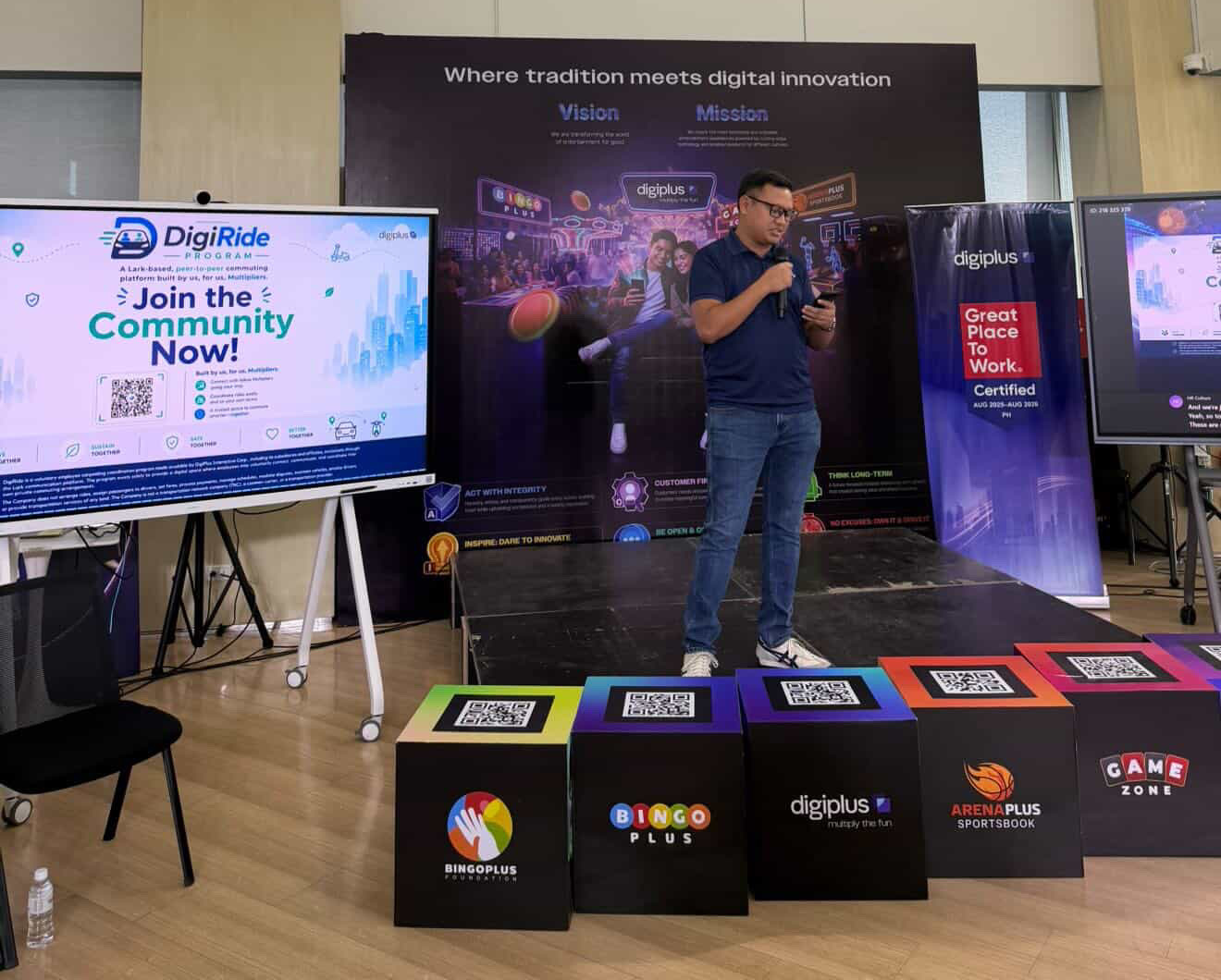
From there, the next step was making the idea visible to management. I had to frame it clearly: the problem, the employee need, the feasible solution, and how it could be sustained without overcomplicating the execution. With the support and trust of management, the idea was given room to move.
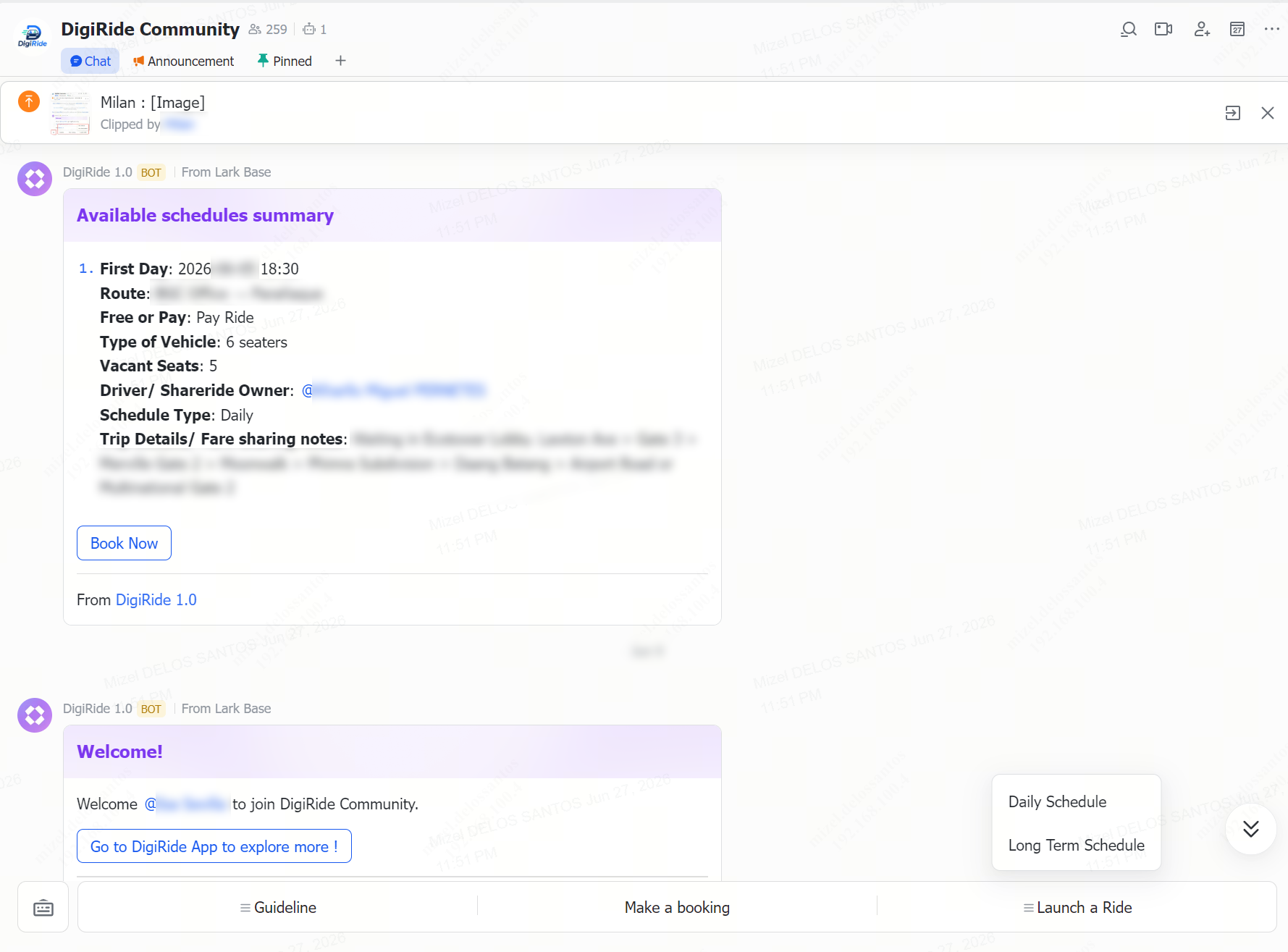
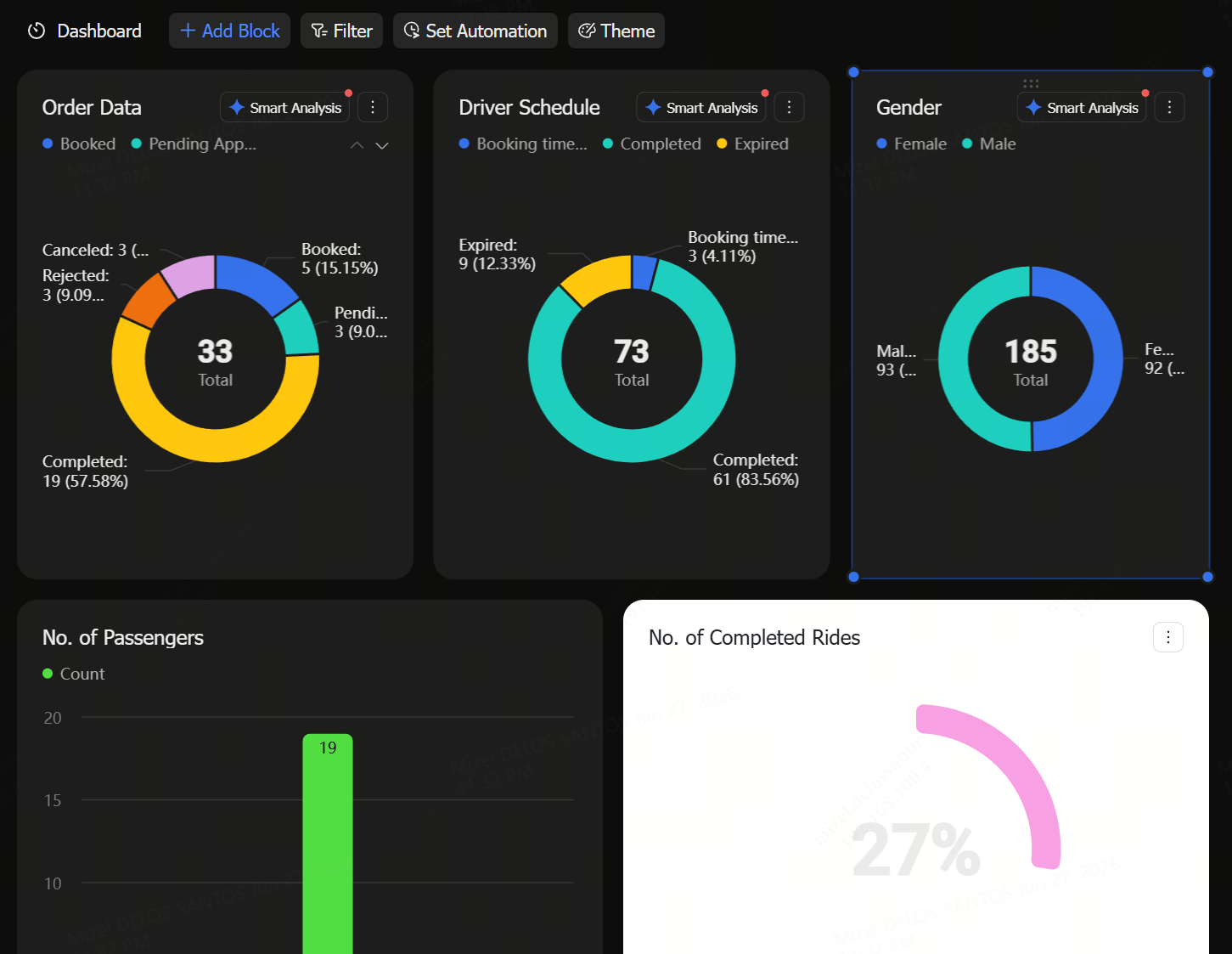
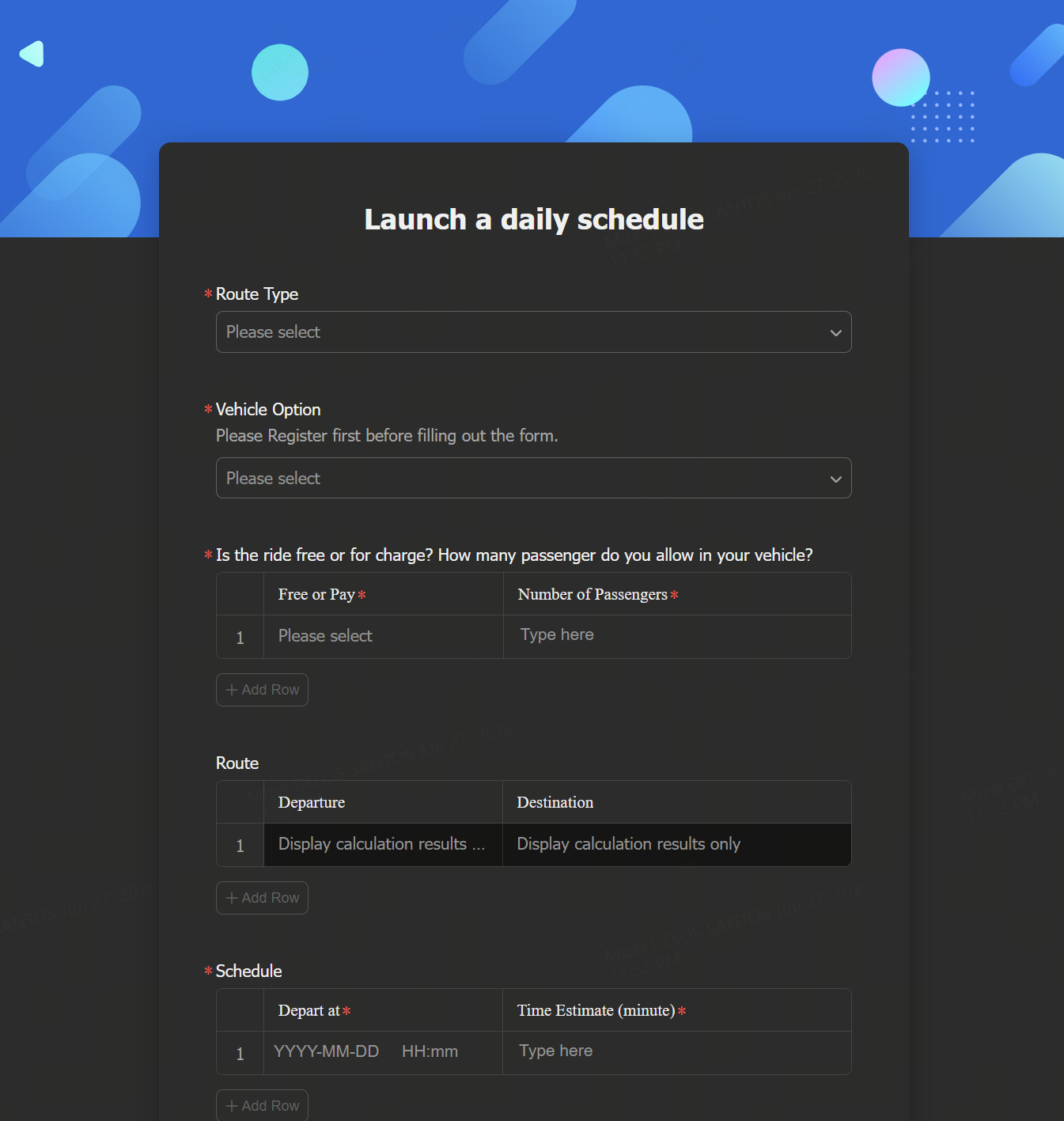
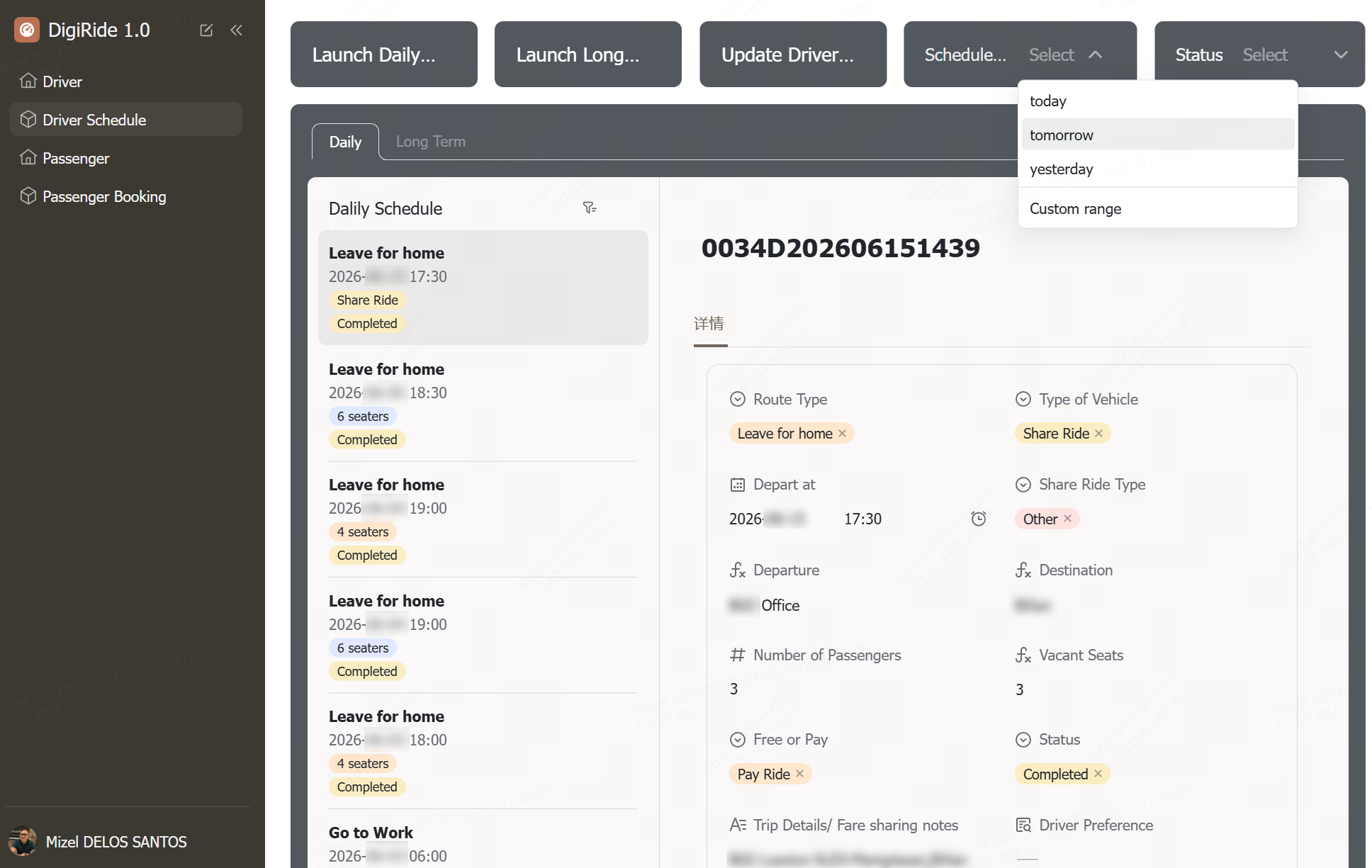
Of course, an idea only becomes real when people help build it. DigiRide came to life through the support of an amazing team across HR, IT, and Comms. Each group helped turn the concept into something employees could actually use, from coordination and systems support to internal communication and rollout. Because of that collaboration, DigiRide moved from idea to execution in just days.
For me, DigiRide is a reminder that innovation does not always have to be grand or complex. Sometimes, it starts with noticing a problem, validating it quickly, presenting it clearly, and working with the right people to make it happen.
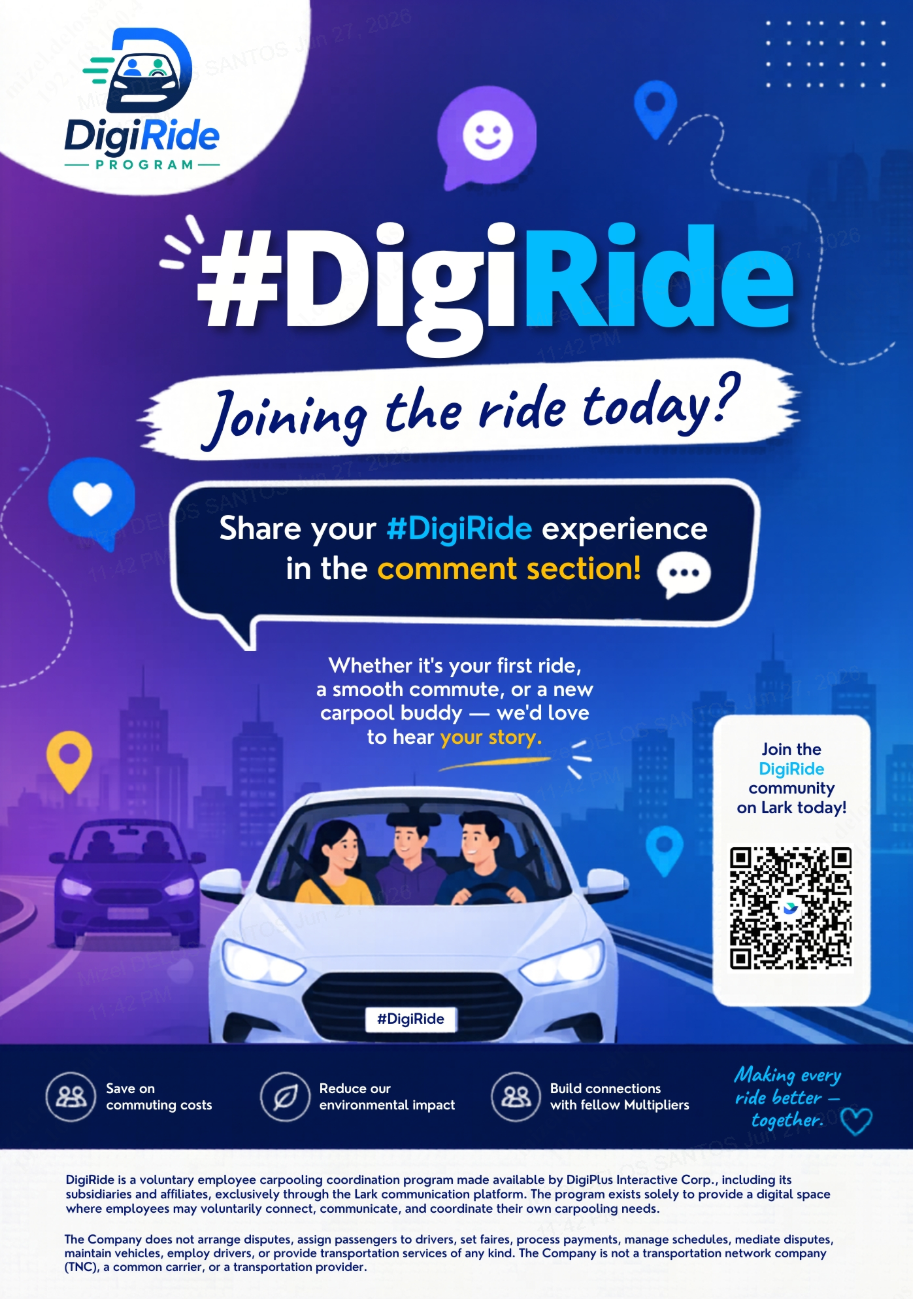
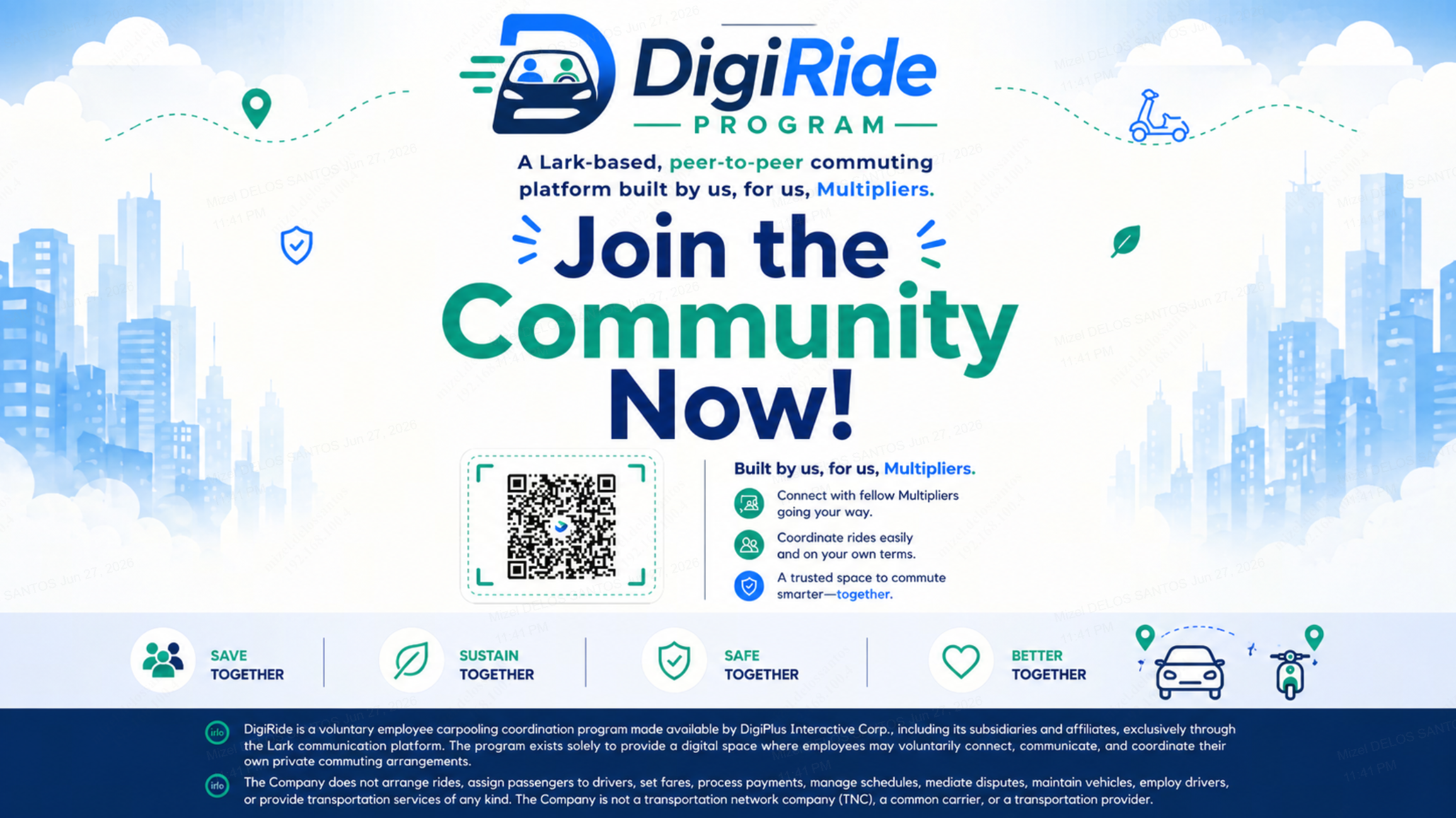
(images above by DigiPlus HR)
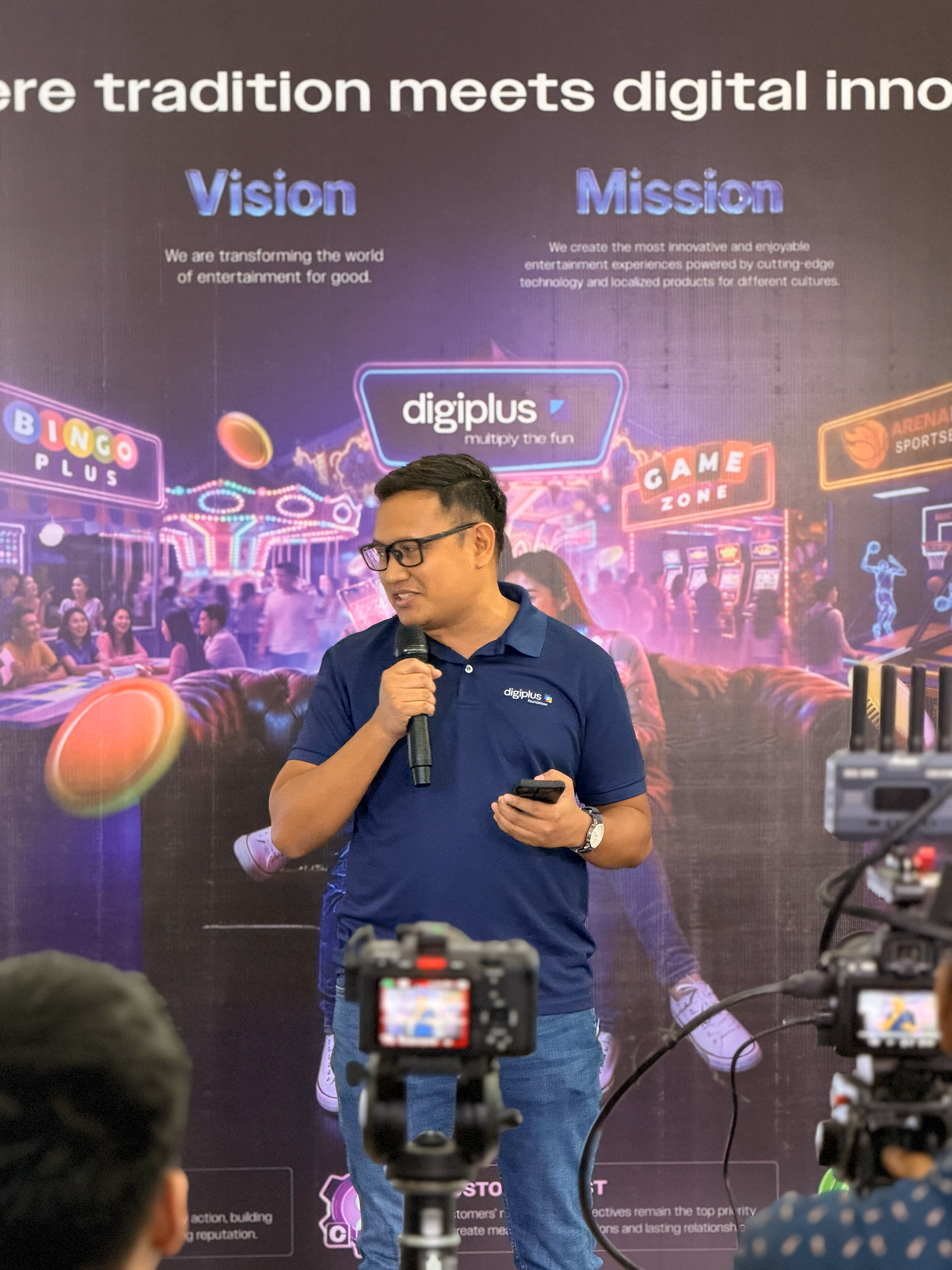
More than just carpooling, DigiRide represents pragmatic execution. It addresses a daily need, uses available resources, and creates room for future improvement. Beyond transportation, it reflects a stronger idea: when people share resources, they also build connection.
Sometimes, impact begins with simply helping someone get from one point to another.