
DigiRide: A Small System for Shared Movement
How a simple observation became an employee carpooling initiative through rapid validation, collaboration, and practical innovation.
Great Ideas Often Start with Everyday Problems
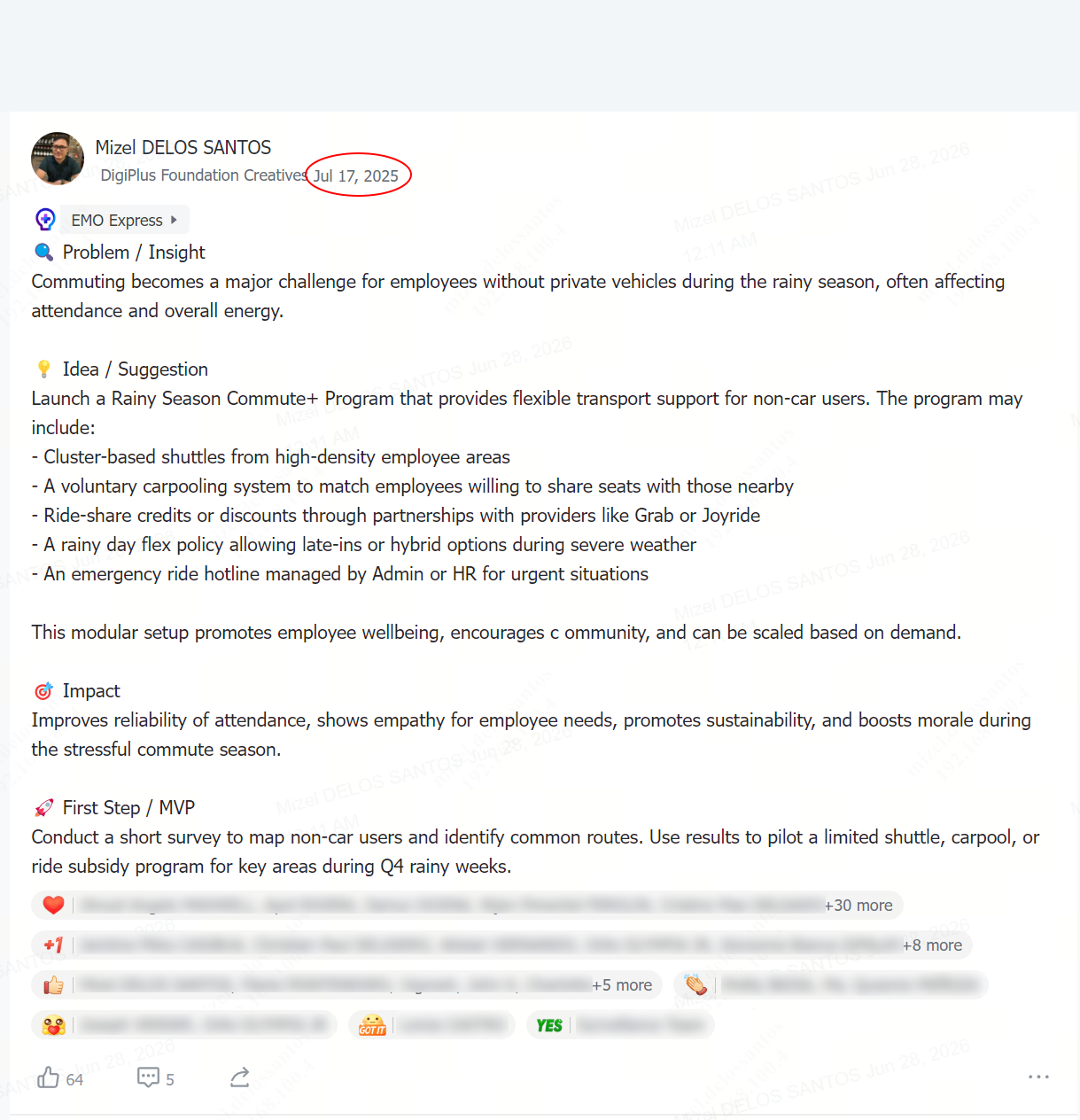
DigiRide started with a simple observation: commuting to work can be challenging, especially for employees traveling similar routes every day.
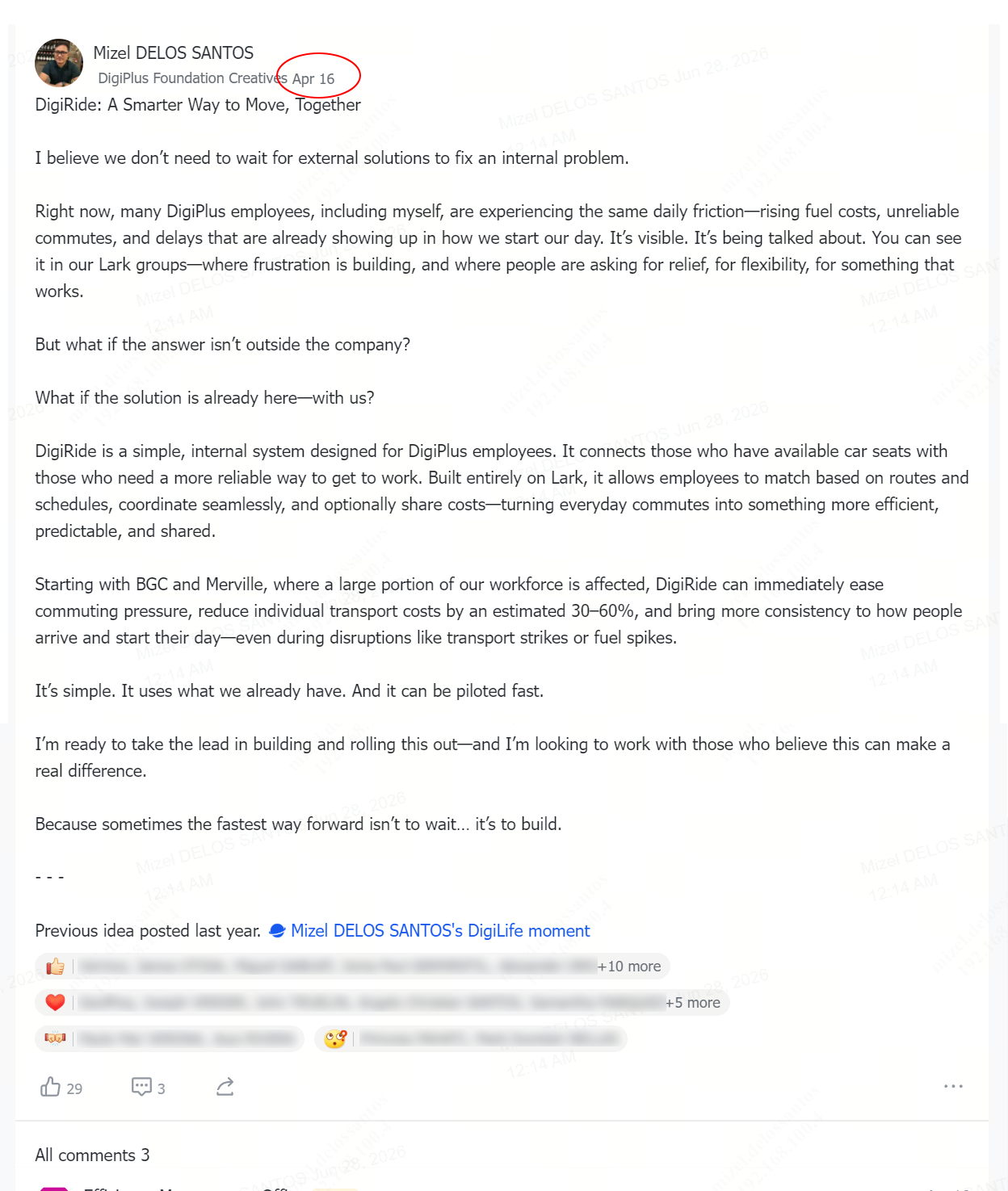
I began wondering whether we could make their journeys easier by connecting colleagues who were willing to share rides. What if we could introduce an employee carpooling initiative that helped people travel more conveniently while making better use of existing resources?
The idea wasn’t to build a sophisticated platform or introduce another complicated process. Instead, I wanted to explore a practical solution that employees could easily understand and use.
Sometimes, meaningful innovation begins by asking a simple question: What can we improve with the resources we already have?
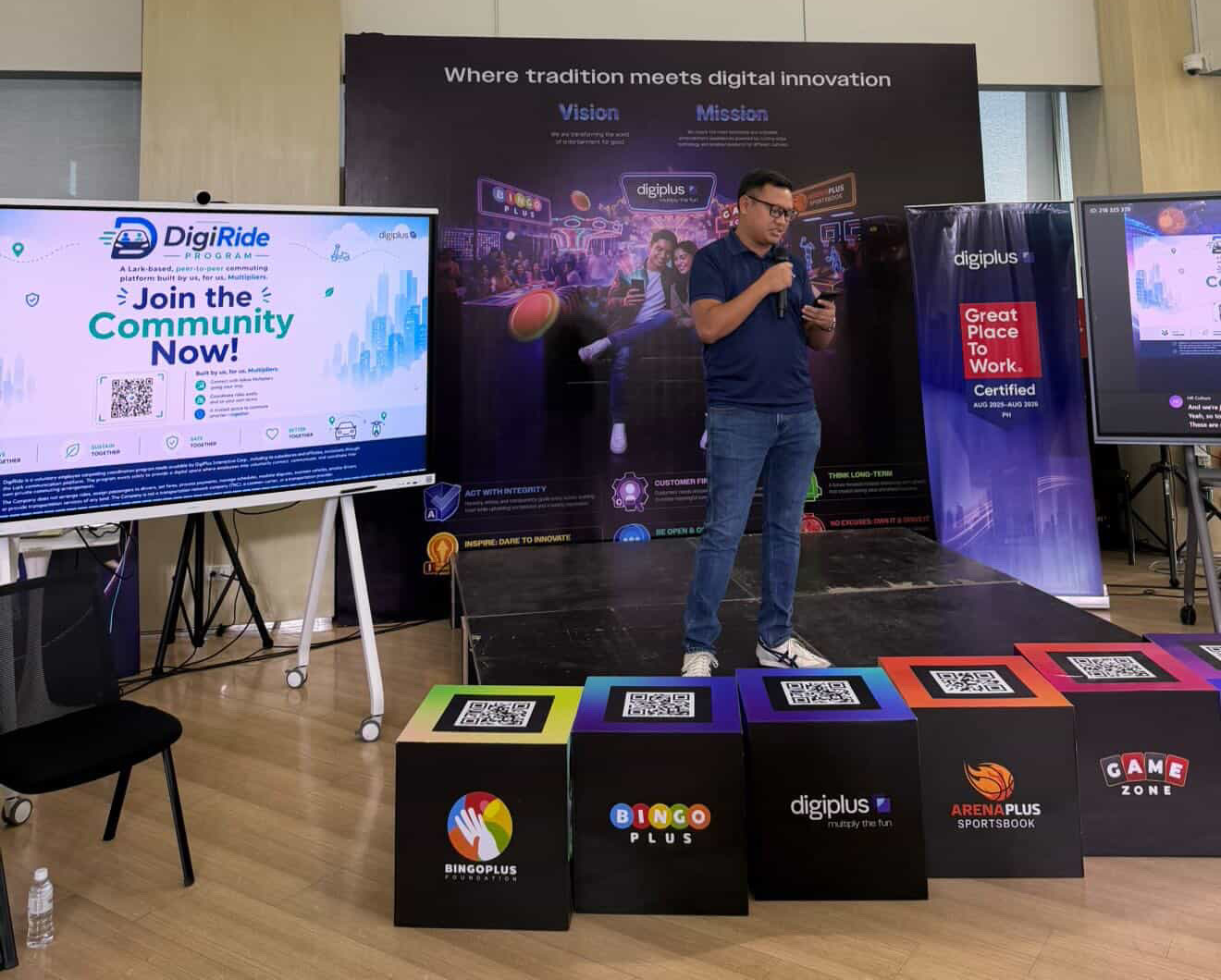
Validating the Idea with 375 Employees
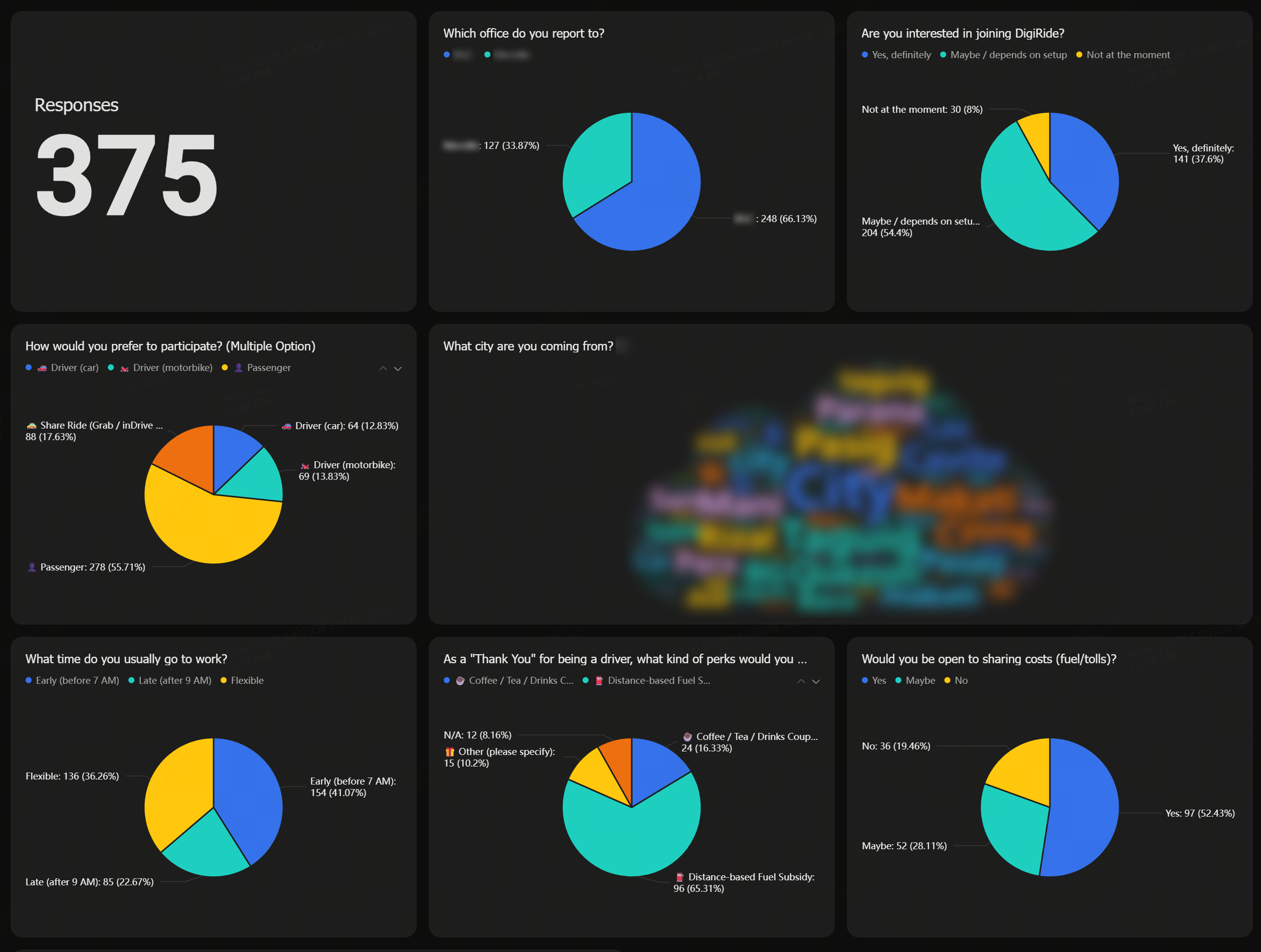
Having an idea was one thing. Understanding whether employees actually needed it was another.
Before proposing DigiRide as a full initiative, I wanted to validate the problem and learn whether people would be willing to participate.
We conducted a survey to understand employees’ commuting experiences, including:
-
Their work locations and commuting routes
-
Where they traveled from each day
-
Their preferred ways of participating in a carpooling arrangement
-
Their willingness to share transportation costs
Within just one to two days, we gathered 375 employee responses.
The speed of the response gave us valuable information about employee interest. More importantly, the findings helped us move beyond assumptions and identify opportunities for a practical carpooling system.
Instead of developing a solution based solely on what we thought people needed, we now had feedback to guide the proposal.
This experience reinforced something I’ve learned throughout my career: before investing heavily in an idea, validate the problem and understand the people you’re trying to help.
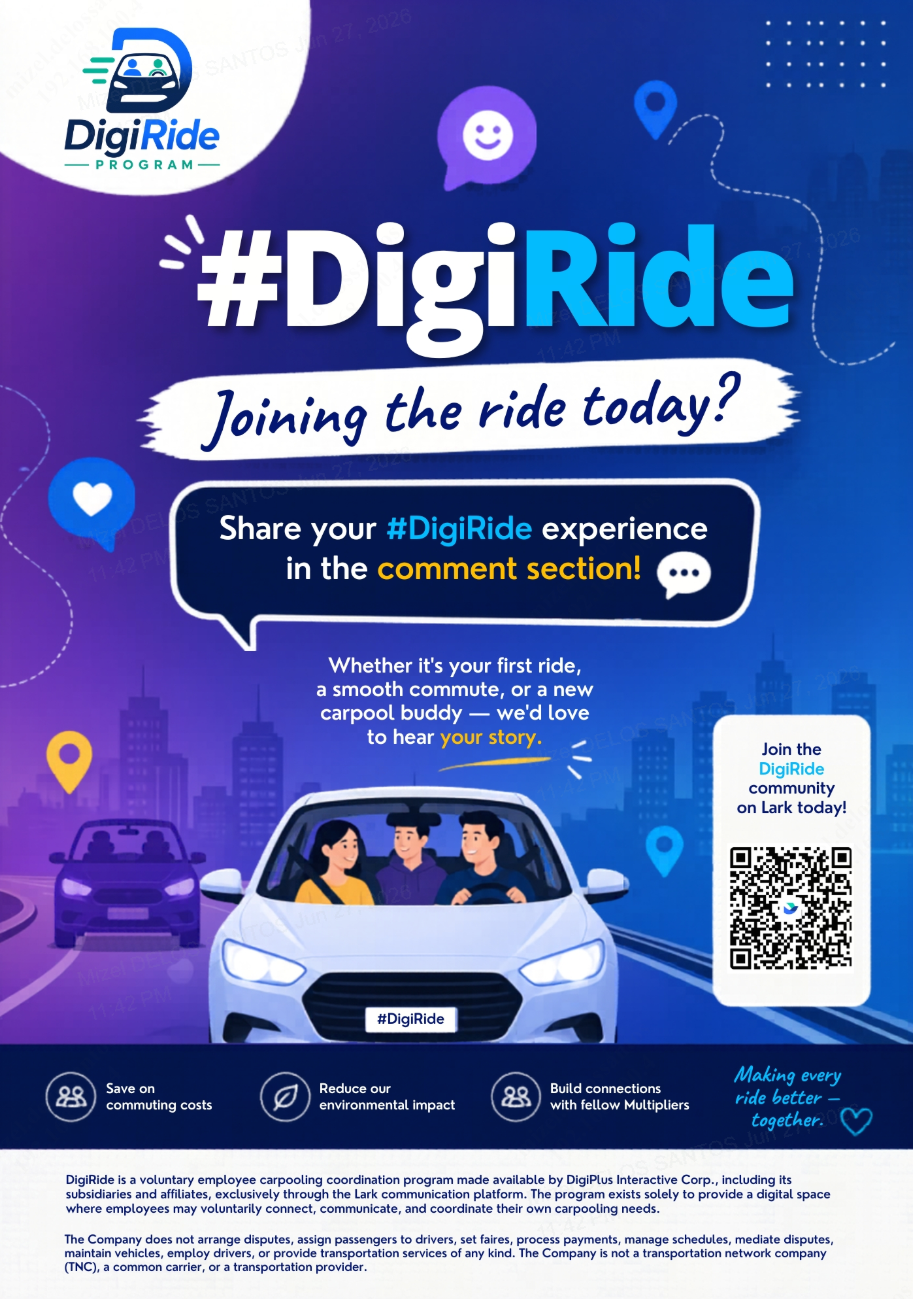
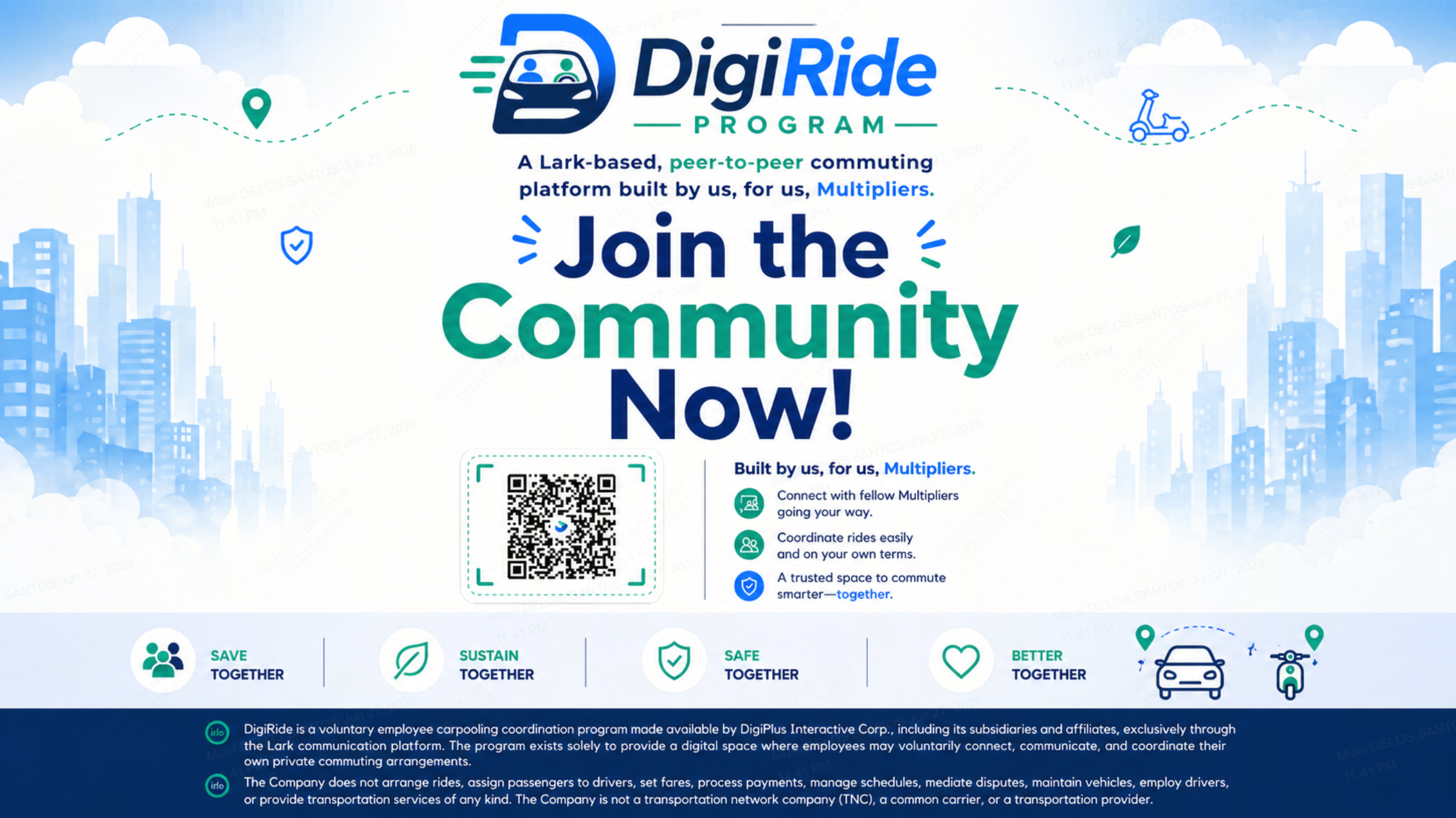
(images above by DigiPlus HR)
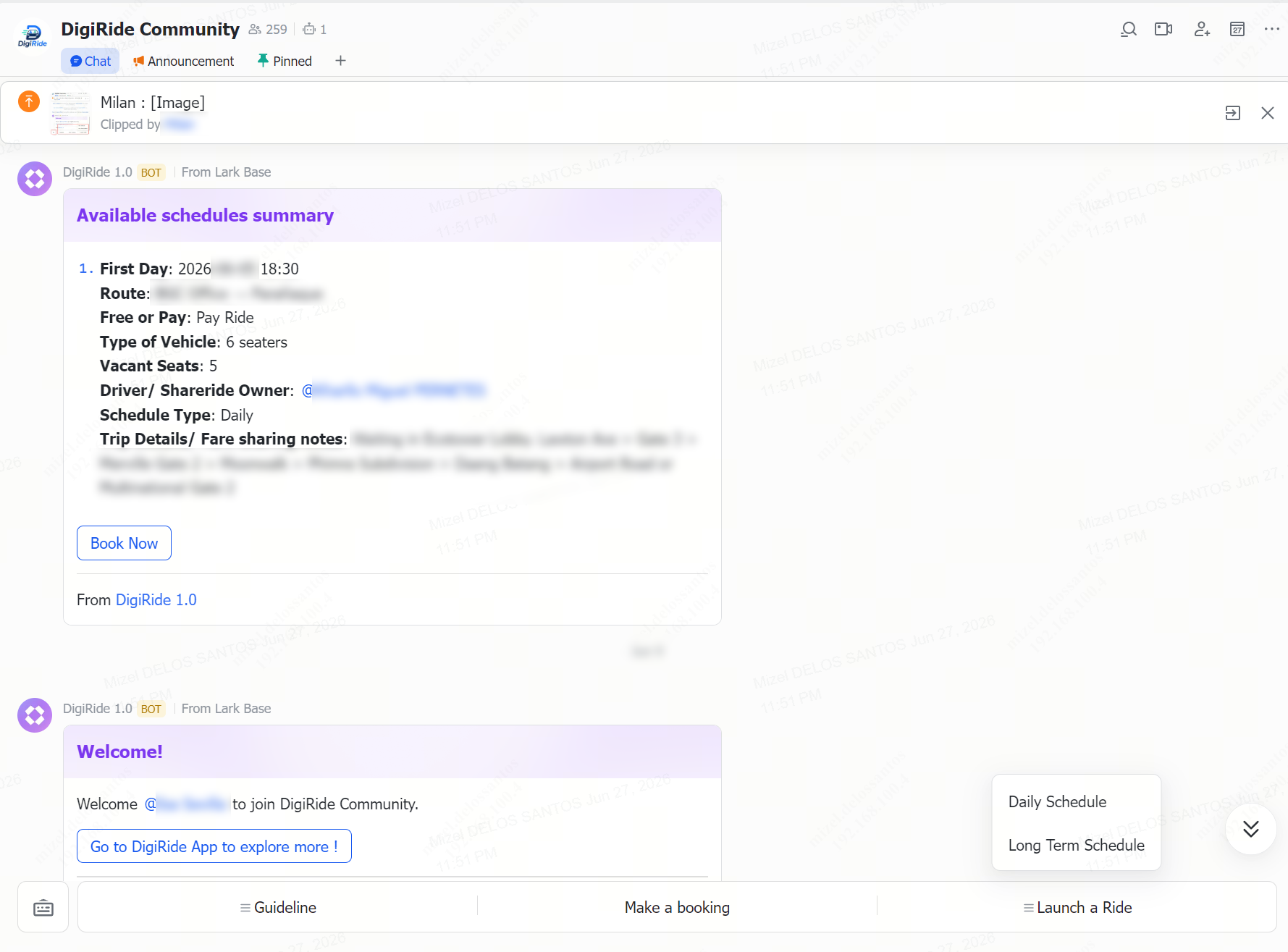
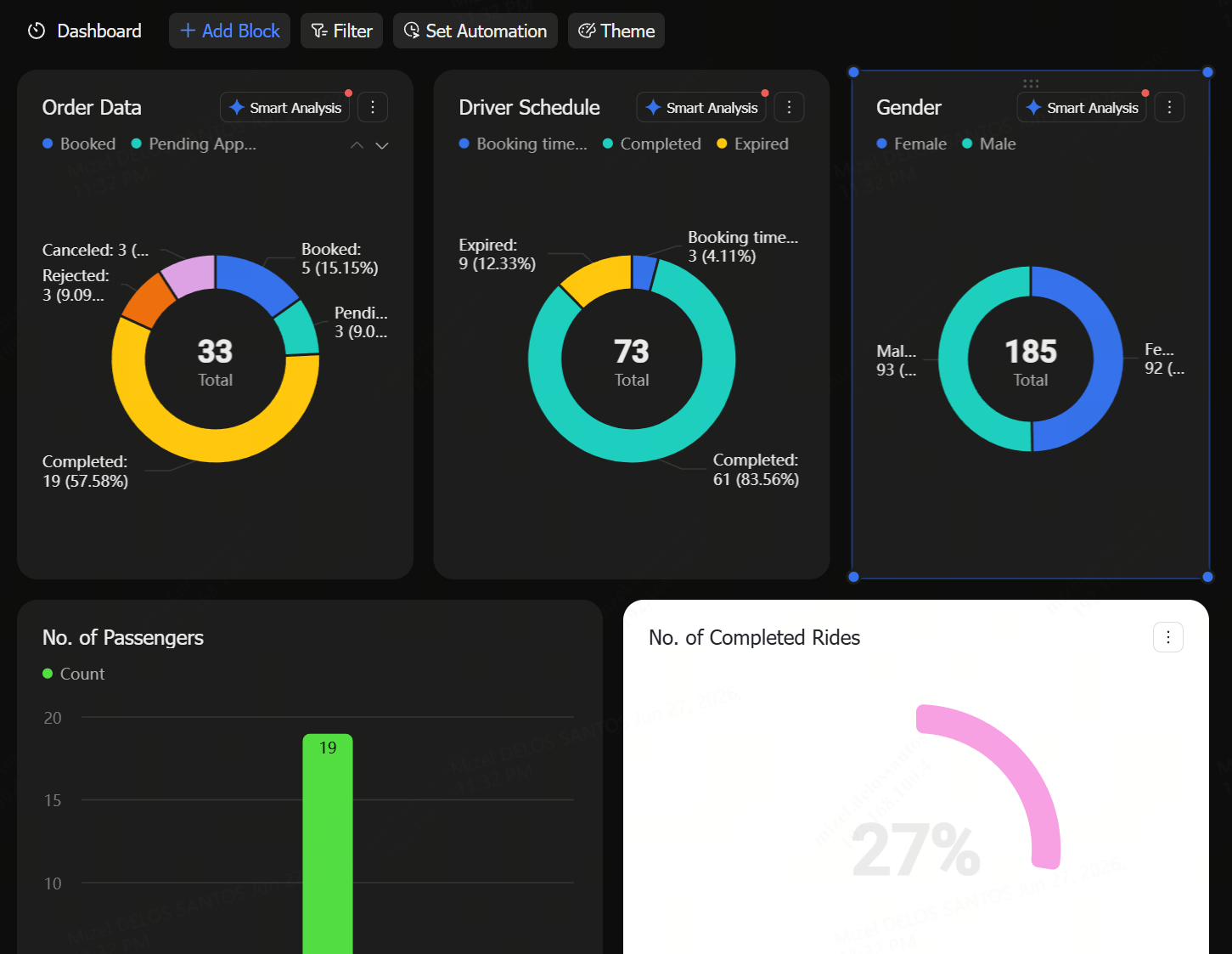
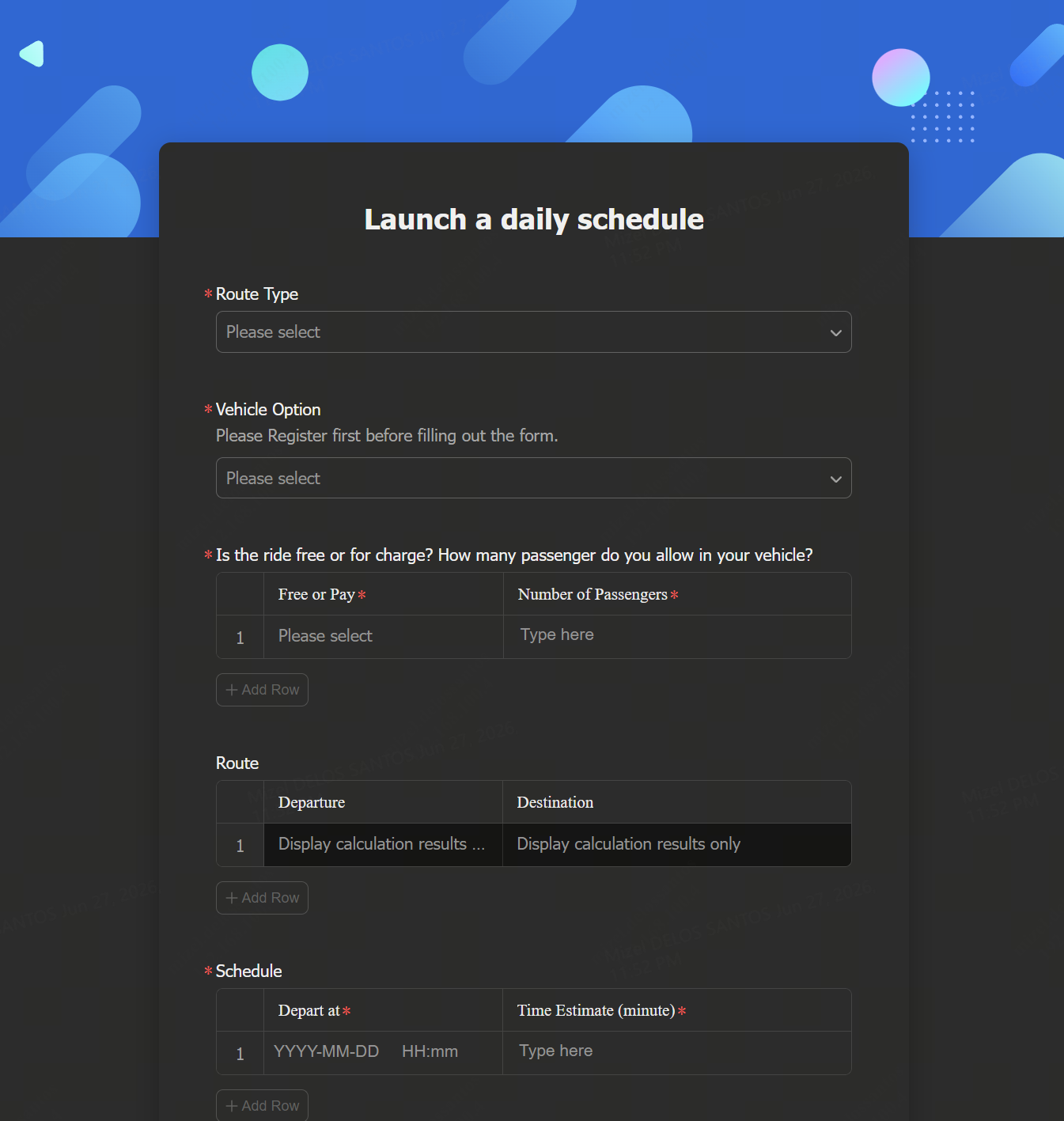
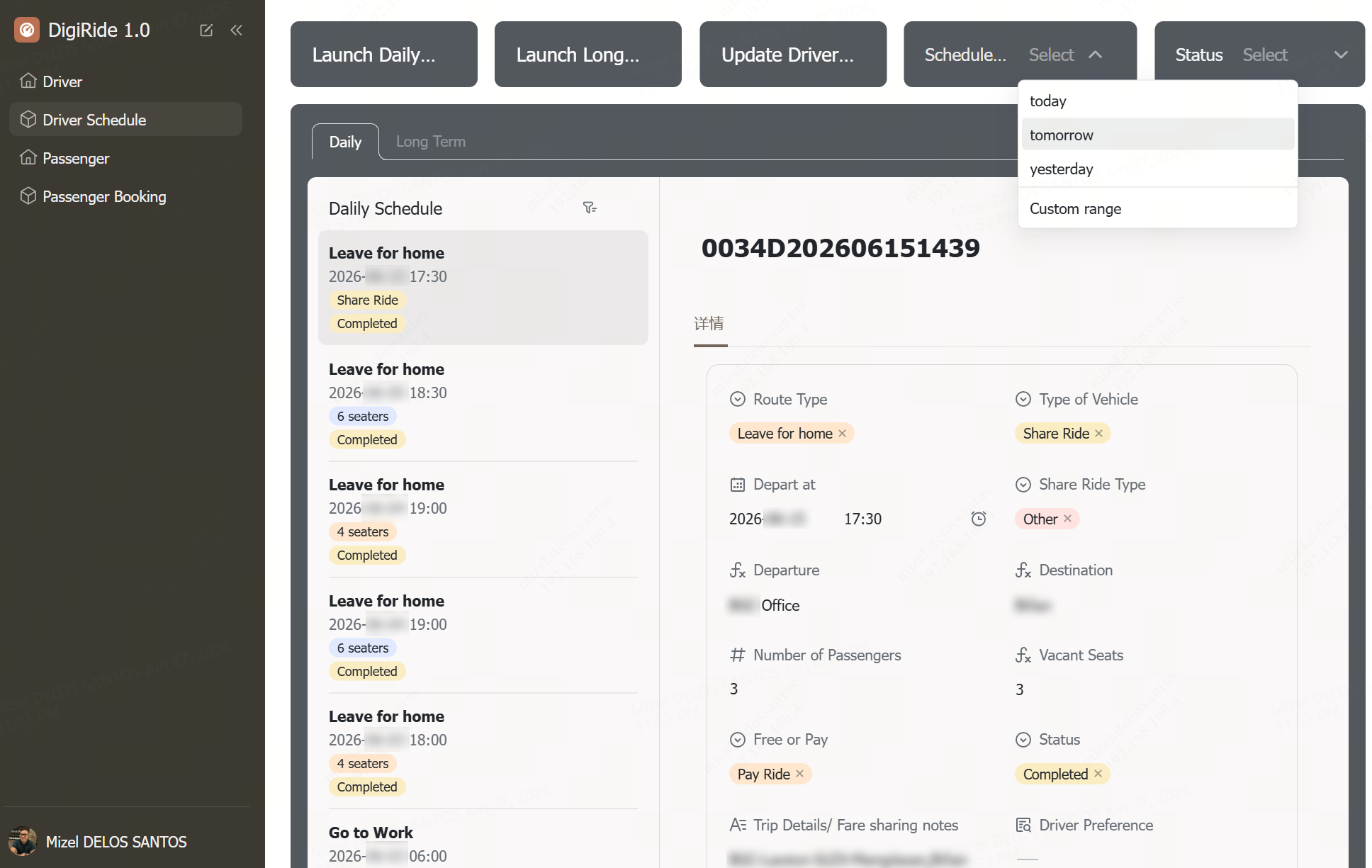
From Concept to Management Support
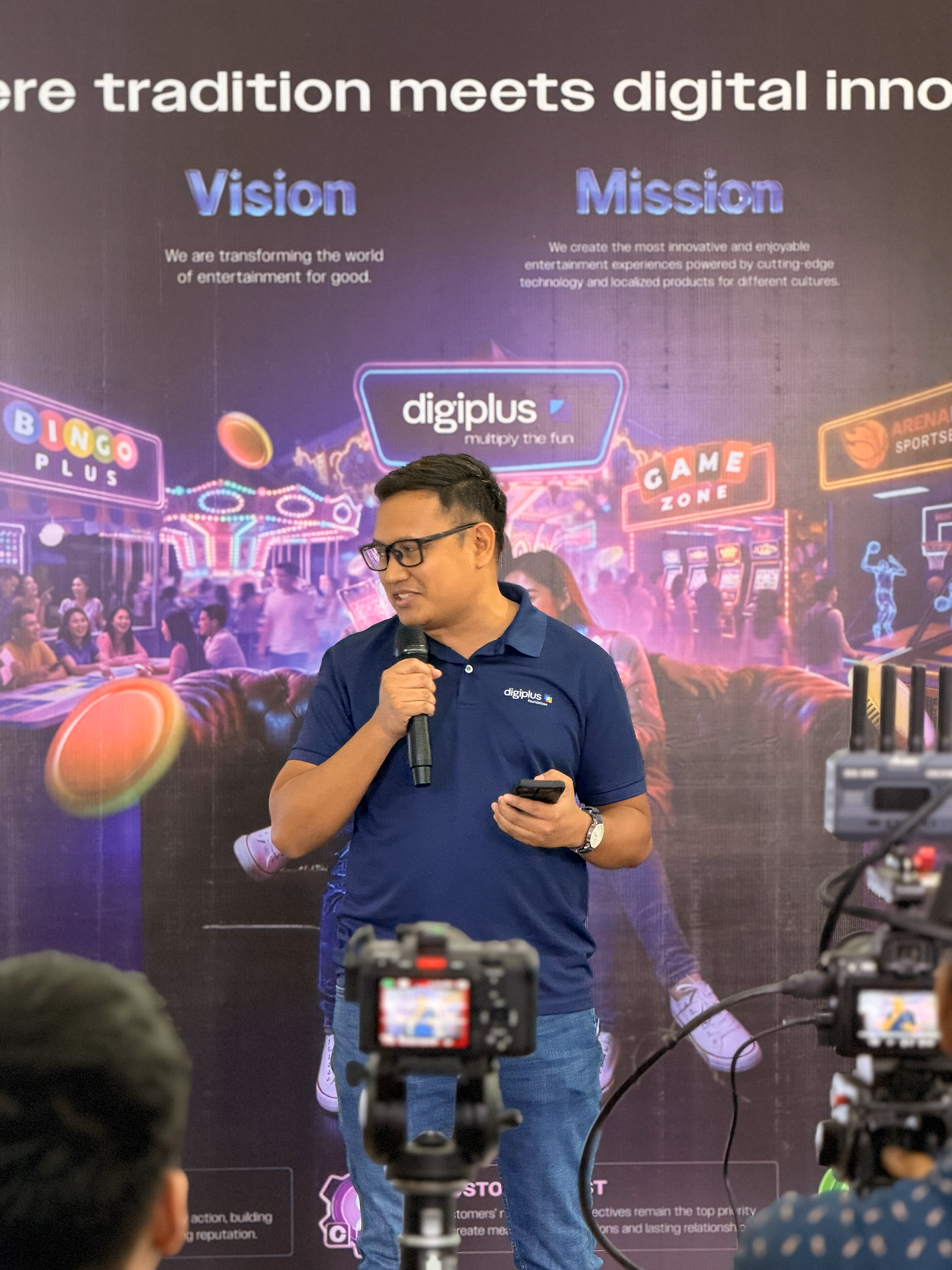
With the survey findings in hand, the next challenge was presenting the idea to management.
A promising concept still needs a clear business case. I had to communicate the problem, explain the potential benefits, and demonstrate why DigiRide was worth pursuing.
Equally important was showing how the initiative could operate without unnecessary complexity.
The proposal focused on practical execution. It considered employee participation, available resources, and the coordination needed to make the system useful.
With management’s trust and support, DigiRide was given the opportunity to move forward.
For me, this was an important part of the process. Creative ideas become more valuable when we can explain not only what they are, but also why they matter and how they can work.
Turning an Idea into Action Through Collaboration
Of course, an idea only becomes real when people help build it.
DigiRide progressed through the combined efforts of colleagues from Human Resources, Information Technology, and Communications.
Each team brought something important to the initiative.
HR helped coordinate employee-related requirements. IT contributed systems support, while Communications helped make the initiative understandable and accessible to employees.
Together, we worked on the coordination, internal communication, and rollout activities needed to move the project forward.
Thanks to this collaboration, DigiRide progressed from an initial idea toward execution in just days.
It was a reminder that innovation doesn’t always require a large team or an elaborate system. Sometimes, what matters most is having a shared objective, clear responsibilities, and people willing to work together.
Small Solutions, Meaningful Impact
Looking back, DigiRide was more than an employee carpooling initiative. It reinforced some important lessons I’ve learned throughout my career in creative leadership, business development, and innovation.
Understand the problem before creating a solution. Good ideas often begin with simple observations. By listening to employees and gathering 375 survey responses, we moved beyond assumptions and identified a genuine workplace need.
Validate ideas and communicate their value. The survey findings provided a foundation for presenting DigiRide to management. It showed me how even a simple concept can gain support when backed by evidence and a practical plan.
Collaboration turns ideas into action. Working with colleagues from HR, IT, and Communications demonstrated the importance of bringing the right people together. Each team contributed its expertise to move the initiative forward.
Beyond transportation, DigiRide explored an opportunity to strengthen connections among colleagues through shared resources. It reminded me that innovation doesn’t always require sophisticated technology, large budgets, or entirely new inventions.
Sometimes, the most meaningful solutions come from recognizing everyday challenges and finding better ways to address them.
And sometimes, impact begins with simply helping someone get from one point to another.